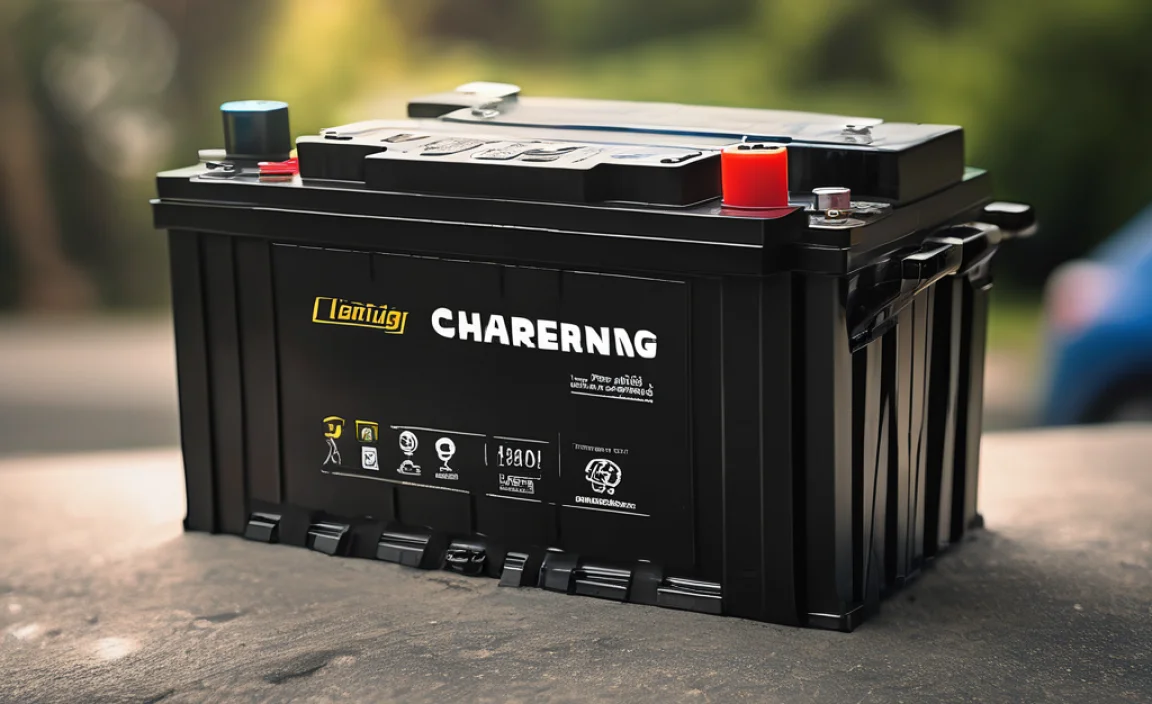
Quick Summary: Disconnecting your lawn mower battery for winter is crucial to prevent damage and ensure it starts easily next spring. It’s a simple process that helps prolong battery life and avoid costly repairs. Follow these easy steps to protect your mower’s power source.
Is winter rolling in and your trusty lawn mower is about to get a long rest? Before you tuck it away, there’s one vital job: disconnecting the battery. Many folks forget this, and come springtime, they’re facing a mower that won’t crank. It’s a common headache, but thankfully, a super easy fix if you know how.
Think of it like giving your mower a little peace of mind for the cold months. By safely disconnecting the battery, you’re preventing any slow drain that can weaken it over time. We’ll walk through this step-by-step, making sure it’s simple and safe. Ready to get your mower winter-ready?
Why Disconnecting Your Lawn Mower Battery for Winter Matters
Storing your lawn mower for the winter without disconnecting the battery can lead to a few unwelcome problems. Batteries, even when not in use, can slowly lose their charge. This “self-discharge” is natural. If the battery drains completely, it can be permanently damaged, making it impossible to recharge. You might end up needing a brand-new battery come spring, which is an unexpected expense.
Beyond just losing charge, extreme cold temperatures can also harm a battery that’s left connected and discharged. An uncharged battery is more susceptible to freezing. When the water inside freezes, it can expand and crack the battery case, causing leaks and rendering it useless. So, taking a few minutes now can save you money and hassle later.
This simple act of disconnecting also helps prevent accidental shorts. If something metallic were to bridge the terminals while the battery is connected, it could cause sparks or even damage the mower’s electrical system. For most modern lawn mowers, especially those with electric start, the battery is a key component that needs protection during periods of inactivity.
What You’ll Need: Tools for the Job
Don’t worry, you won’t need a whole workshop for this task. Most of the time, you can get the job done with just a few basic tools you likely already have around the shed or garage. Having everything ready before you start makes the process much smoother.
- Wrench or Socket Set: You’ll likely need a wrench or a socket that fits the nuts holding the battery cables to the terminals. Common sizes are 10mm, 13mm, or 1/2 inch, but it can vary by mower model.
- Gloves: It’s a good idea to wear work gloves to protect your hands. Batteries can get dusty or dirty, and sometimes battery acid can be present, so gloves are a smart safety measure.
- Safety Glasses: Always wear safety glasses to protect your eyes from any potential dust or debris.
- Wire Brush or Terminal Cleaner: A small wire brush is handy for cleaning the battery terminals and cable ends to ensure good contact when you reconnect them next season.
- Dielectric Grease (Optional but Recommended): A small amount of dielectric grease can help protect the terminals from corrosion after cleaning and reconnecting.
- Owner’s Manual: If you have your lawn mower’s owner’s manual, it’s a great reference. It will show you the exact location of the battery and any specific instructions for your model.
Step-by-Step Guide: Disconnecting Your Lawn Mower Battery
Taking the battery out correctly is key. Follow these straightforward steps, and you’ll have your mower prepped for its winter nap in no time. Safety first, always!
Step 1: Locate the Battery
First things first, find the battery. On most lawn tractors and riding mowers, the battery is usually located under the seat or in a compartment at the front of the mower, often behind a removable panel or cover. For smaller push mowers with electric start, it might be a smaller battery pack, sometimes integrated into the mower’s body.
If you’re unsure, consult your lawn mower’s owner’s manual. It will have diagrams showing the exact location. Make sure the mower is on a flat, level surface and the engine is completely off and cool.
Step 2: Access the Battery Terminals
Once you’ve found the battery, you might need to remove a cover or a small panel to get to the terminals. These are usually held in place with screws or clips. Keep any removed hardware in a safe place, like a small container or plastic bag, so you don’t lose them.
The battery terminals are metal posts that the cables connect to. There will be two: a positive (+) terminal and a negative (-) terminal. They are usually marked clearly.
Step 3: Disconnect the Negative Cable First
This is the most important safety step. Always disconnect the negative (-) cable first. You’ll typically see a black cable connected to the negative terminal. This cable is usually connected with a nut and bolt. Use your wrench or socket to loosen this nut.
Once it’s loose enough, gently twist and pull the cable end free from the terminal. If the cable is stuck, don’t force it. You might need to wiggle it a bit. Avoid letting the cable touch any metal parts of the mower or the positive terminal once it’s disconnected.
Step 4: Disconnect the Positive Cable Next
Now, you can disconnect the positive (+) cable. This is usually a red cable, connected to the positive terminal. Loosen the nut on this terminal with your wrench or socket and carefully pull the cable end off the terminal.
Again, be careful not to let this cable touch any metal parts of the mower. With both cables removed, you can now remove the battery itself if needed, but often just disconnecting the cables is enough for winter storage.
Step 5: Inspect and Clean the Terminals
Take a look at the battery terminals and the ends of the cables you just removed. You might see some white or bluish powdery corrosion. This is normal and can interfere with electrical connections. Use your wire brush or terminal cleaner to scrub away any corrosion until the metal is clean and shiny.
A clean connection is essential for the battery to perform well. If you plan to remove the battery for storage inside, this is a good time to clean it up before putting it away.
Step 6: Secure the Cables
After disconnecting and cleaning, make sure the battery cables are secured away from the battery terminals and any moving parts. You can gently tie them back with a zip tie or simply tuck them away so they won’t accidentally brush against the terminals. This prevents accidental reconnection or short circuits while the mower is stored.
Step 7: (Optional) Store the Battery Indoors
For many people, simply disconnecting the cables is sufficient for winter storage. However, if you live in a very cold climate or want to give your battery the best chance of a long life, consider removing it from the mower and storing it indoors in a cool, dry place. Batteries stored indoors are less susceptible to extreme temperature fluctuations.
When storing the battery, place it on a shelf or a piece of wood, not directly on a concrete floor. Concrete can cause the battery to lose charge more quickly. If you’re removing the battery, ensure you keep track of any mounting hardware.
Lawn Mower Battery Maintenance Tips for Winter Storage
Beyond just disconnecting, a little extra care can go a long way in ensuring your lawn mower battery is ready to go when the snow melts. These tips are simple but effective.
- Keep it Charged (if stored separately): If you’ve removed the battery for indoor storage, it’s a good idea to check its charge level every month or two. You can use a battery charger. For a more advanced check, a voltmeter can tell you the charge level. Most 12V lawn mower batteries should read around 12.6 volts or higher when fully charged. Refer to your battery charger manual for best practices.
- Use a Battery Tender: A battery tender is a small, smart charger designed to maintain a battery’s charge without overcharging it. They are highly recommended for long-term storage. Plug it in periodically, or leave it connected if it’s a solar tender, to keep the battery topped up. Many are designed specifically for powersports batteries like those in mowers.
- Clean the Mower: While you’re at it, give your lawn mower itself a good clean and tune-up. Remove any grass clippings from the deck and body. This isn’t directly related to the battery but helps with overall maintenance.
- Consult Your Manual: Always refer to your lawn mower’s owner’s manual for model-specific advice. Some manufacturers might have unique recommendations for battery care during winter.
Common Lawn Mower Battery Types and Considerations
Lawn mower batteries are typically lead-acid batteries, similar in principle to car batteries, but often smaller. Understanding the type can help with care.
| Battery Type | Description | Winter Storage Notes |
|---|---|---|
| Sealed Lead-Acid (SLA) / Maintenance-Free | These are the most common type. They don’t require you to add water. They are designed to be quite robust for their size. | Disconnect cables. Can be stored connected if kept charged. Indoor storage is best in extreme cold. |
| Flooded Lead-Acid / Wet Cell | These have removable caps, and you might need to check and add distilled water. Less common in newer mowers. | Disconnect cables. Crucially, ensure they are not tipped to avoid electrolyte spills. Store upright in a cool, dry place. Check water levels annually if stored. |
| AGM (Absorbent Glass Mat) | A type of SLA battery where the electrolyte is absorbed into fiberglass mats. They are vibration-resistant and can be mounted in more positions. | Disconnect cables. Excellent for storage, but still benefit from a charge maintainer during long winter breaks. |
For most modern riding mowers and even many push mowers with electric starts, you’ll be dealing with a sealed lead-acid or AGM battery. These are designed for ease of use and generally hold a charge well, but they aren’t immune to the effects of prolonged neglect and extreme cold when discharged.
When to Consider Replacing Your Lawn Mower Battery
Sometimes, the best way to ensure your mower starts next spring is to replace an aging battery before winter even sets in. A battery’s lifespan can vary, typically lasting between 3 to 5 years. If your battery is showing signs of weakness, winter storage might just be its last straw.
Here are common signs that it might be time for a new battery:
- Slow Cranking: The engine struggles to turn over, or the starter sounds weak even after a full charge.
- Doesn’t Hold a Charge: The battery dies quickly after charging, or won’t hold enough power to start the mower reliably.
- Visible Damage: Cracks, bulges, or leaks on the battery casing.
- Corrosion Buildup: Excessive corrosion on the terminals that is difficult to clean off, or reappears quickly after cleaning.
- Age: If the battery is over 3-5 years old and you’re experiencing any starting issues, assume it’s nearing the end of its life.
If you’re unsure about the battery’s health, many auto parts stores or experienced mower repair shops can test it for you. Replacing it before winter means you can disconnect and store the new battery with confidence, knowing it’s ready for action when spring arrives.
For reliable battery testing and replacement options, you can often find detailed guides and product information from reputable sources like those found on DIY repair sites or through manufacturers’ recommendations. For instance, understanding battery voltage is key, and information on general battery care can be found from organizations like the U.S. Environmental Protection Agency, which provides guidance on lead-acid battery recycling and care.
Frequently Asked Questions (FAQ)
Q1: Do I really need to disconnect my lawn mower battery for winter?
Yes, it’s highly recommended. Disconnecting prevents a slow battery drain due to self-discharge and protects it from extreme cold when discharged, which can cause permanent damage and shorten its lifespan. It ensures your mower is ready to start next season.
Q2: How long does a lawn mower battery typically last?
A typical lawn mower battery lasts between 3 to 5 years, but this can vary based on usage, maintenance, and climate. If your battery is nearing this age, it’s especially important to prepare it for winter storage or consider replacement.
Q3: What happens if I leave my lawn mower battery connected all winter?
If it’s left, the battery can slowly discharge. If it freezes while discharged, it can crack. A completely drained battery can be permanently damaged and unable to hold a charge again. You might find your mower won’t start at all in the spring.
Q4: Where is the battery on my lawn mower located?
On riding mowers and lawn tractors, it’s commonly found under the seat or at the front. Smaller electric-start push mowers might have a battery pack integrated into the mower’s frame. Your owner’s manual is the best place to confirm the exact location for your specific model.
Q5: Can I use a car battery charger on my lawn mower battery?
Generally, yes, but you must use a charger specifically designed for 12V batteries and ensure it’s suitable for smaller capacities. Many modern trickle chargers or smart chargers designed for powersports vehicles (motorcycles, ATVs) work perfectly fine for lawn mower batteries. Avoid using a heavy-duty car charger meant for large car batteries, as it could overcharge and damage the smaller mower battery.
Q6: Should I remove the battery from the mower for storage?
It’s not always mandatory, but it’s often beneficial, especially in very cold climates. Removing the battery and storing it indoors in a cool, dry place can help protect it from extreme temperature swings and is recommended for optimal battery longevity. If you remove it, don’t store it directly on concrete.
Q7: What voltage should a fully charged lawn mower battery read?
A healthy, fully charged 12-volt lawn mower battery should read approximately 12.6 volts or slightly higher when measured with a voltmeter. If it reads below 12.4 volts, it likely needs to be charged.
Conclusion
Taking a few simple steps now to disconnect your lawn mower battery for the winter can save you a lot of frustration and money down the road. It’s a straightforward maintenance task that ensures your mower is ready to tackle your lawn when spring returns.
By locating the battery, safely disconnecting the cables (negative first!), cleaning the terminals, and considering indoor storage or a battery tender, you’re giving your mower’s power source the best possible chance to survive the cold season. Don’t let a dead battery be a surprise next year—take care of it now and enjoy a hassle-free start to your next mowing season.