Battery boxes for lithium batteries are becoming an increasingly vital component for anyone leveraging this powerful and versatile energy storage technology. Gone are the days when lithium-ion batteries were solely the domain of niche scientific applications. Today, they power everything from our smartphones and laptops to electric vehicles and sophisticated solar energy storage systems. As their adoption grows, so too does the need for robust, secure, and affordable solutions to house them. This is precisely where specialized battery boxes for lithium batteries step in.
The very nature of lithium-ion batteries necessitates careful handling and protection. Unlike older battery chemistries, lithium batteries can be more sensitive to environmental factors like extreme temperatures, physical shock, and electrostatic discharge. Improper storage or handling can not only reduce battery lifespan but, in rare, severe cases, pose safety risks. This is where the importance of a well-designed battery box becomes undeniably clear. These enclosures are not just about aesthetics; they are engineered to safeguard your valuable energy investment and ensure its safe operation.
Why Invest in Dedicated Battery Boxes for Lithium Batteries?

The core function of a battery box for lithium batteries is to provide a protective shell. This shell acts as a multi-layered defense system. Firstly, it shields the battery from external physical damage, whether it’s accidental bumps, drops, or vibrations during transport. Many boxes are constructed from durable materials like high-impact plastics or metal, designed to absorb and dissipate energy from impacts. This structural integrity directly translates to a longer and more reliable life for your lithium cells.
Beyond physical protection, these boxes often offer environmental control. Lithium-ion batteries perform optimally within a specific temperature range. Extreme heat can accelerate degradation, while excessive cold can temporarily reduce performance and, in some cases, lead to irreversible damage if charged below freezing. Battery boxes can incorporate features like insulation or ventilation systems tailored to mitigate these effects. Some advanced models even include active temperature management, further enhancing performance and longevity, especially in demanding applications like off-grid solar systems or vehicle conversions.
Furthermore, proper battery housing is crucial for electrical safety. Lithium batteries, especially when used in series or parallel configurations to form larger battery banks, involve significant amounts of energy. A containment solution prevents accidental short circuits, which can be a fire hazard. Many battery boxes feature integrated busbars, terminals, and robust wiring management systems, simplifying connections and minimizing the risk of exposed wires or faulty connections. This is particularly important for DIY projects where safety standards are paramount.
Essential Features to Look for in Battery Boxes for Lithium Batteries

When selecting battery boxes for your lithium batteries, several key features should be on your checklist. The most fundamental is durability and material quality. Look for boxes made from UV-resistant, impact-resistant plastics like ABS or polypropylene, or robust metal alloys if you require enhanced fire resistance. The enclosure should feel solid and well-constructed, with no flimsy parts.
Ventilation and thermal management are also critical. While a completely sealed box might seem desirable for protection, lithium batteries, especially when under load or charging, generate heat. Adequate ventilation prevents this heat from building up, which is essential for optimal performance and safety. Some boxes come with passive vents, while others offer more sophisticated active cooling solutions. Consider the typical operating environment of your batteries when making this choice.
Secure closure mechanisms are non-negotiable. Latches and hinges should be robust and designed to withstand vibration and movement without accidentally opening. Tamper-proof locking mechanisms might be a consideration for certain applications where security is a concern.
Ease of installation and access is another practical consideration. The box should allow for straightforward mounting and easy access to the battery terminals for connections and maintenance. Many boxes are designed with pre-drilled mounting holes and clearly labeled terminal access points. Consider whether you need internal space for battery management systems (BMS), wiring, or other accessories.
Finally, affordability does not have to mean compromising on quality. While some high-end, feature-rich battery boxes can be expensive, there are many excellent, essential and affordable options available on the market that provide robust protection and meet the fundamental needs of lithium battery storage. Prioritize the core safety and durability features, and you can find solutions that fit various budgets.
The Affordability Factor: Making Lithium Battery Protection Accessible
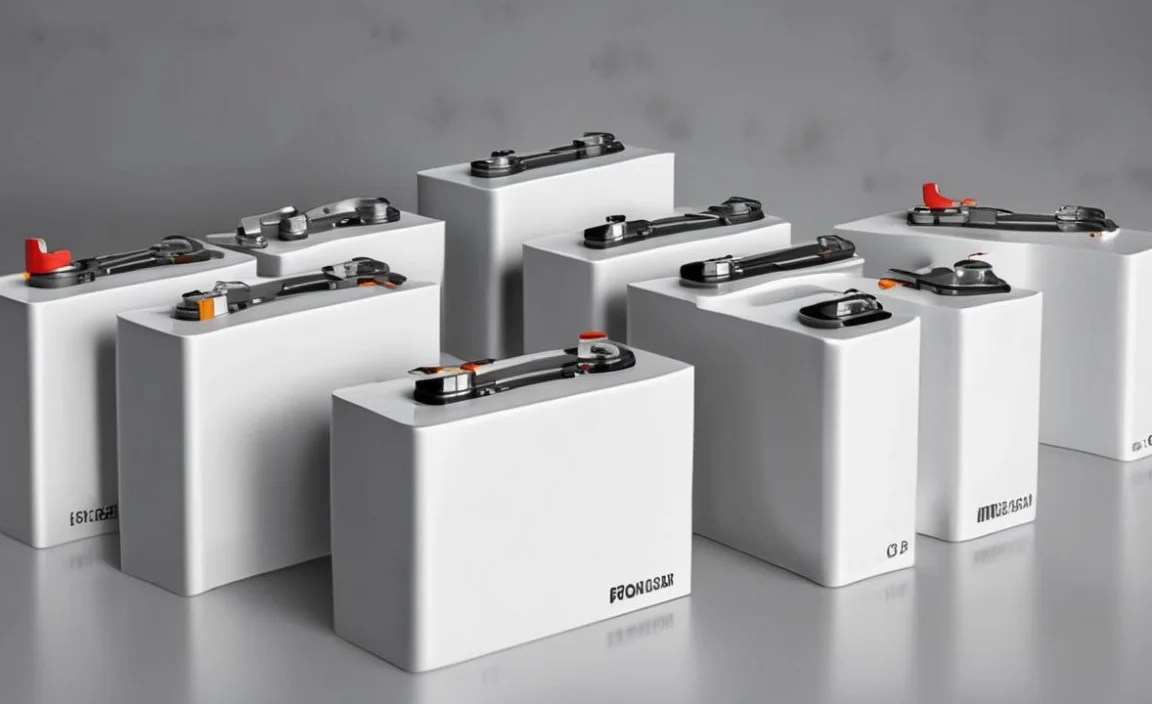
The perception that advanced battery protection is inherently expensive can be a barrier to adoption for many users. However, the market for battery boxes for lithium batteries has matured significantly, offering a wide spectrum of choices that cater to different financial plans. For simple setups, like housing a single lithium battery for a portable cooler or a small solar setup, basic, durable plastic enclosures with secure latches provide excellent protection at a very reasonable price point. These options are essential for preventing physical damage and basic environmental exposure, making them highly affordable starting points.
As needs become more complex, such as for larger battery banks in RVs or off-grid homes, the cost naturally increases. However, even in these scenarios, the investment in a quality battery box is often offset by the extended lifespan of the batteries and the prevention of potential costly damage or safety incidents. Manufacturers are increasingly recognizing the demand for cost-effective solutions, leading to innovations that balance features with price. Look for brands that have a good reputation for manufacturing quality without extravagant branding or unnecessary bells and whistles. Often, a well-designed, no-frills box will outperform a more expensive counterpart that relies on marketing over substance.
In conclusion, dedicated battery boxes for lithium batteries are not a luxury but a fundamental requirement for safe, reliable, and long-lasting lithium battery operation. They offer protection from physical damage, environmental extremes, and electrical hazards. With a wide range of essential and affordable options available, there’s no longer a valid reason to forgo this crucial element of lithium battery infrastructure. Investing in the right battery box is an investment in the longevity and safety of your entire energy system.