The intricate world of modern vehicles, RVs, boats, and even sophisticated backup power systems often relies on the robust performance of Absorbed Glass Mat (AGM) batteries. These sealed, maintenance-free powerhouses are favored for their vibration resistance, faster charging capabilities, and superior deep discharge recovery compared to traditional flooded lead-acid batteries. However, to unlock their full potential and ensure their longevity, using the correct battery charger for AGM batteries is paramount. This isn’t just about supplying power; it’s about intelligent charging that respects the delicate chemistry of an AGM battery, preventing damage and maximizing its lifespan.
The challenge with AGM batteries lies in their sensitivity to overcharging and undercharging. Unlike flooded batteries, which have more tolerance for voltage fluctuations, an inappropriate charging regimen can quickly degrade an AGM battery’s performance. This is where a dedicated AGM battery charger steps in, offering specialized charging profiles designed to cater to the unique needs of these advanced batteries. Understanding what makes a charger “best” and “effortless” for your AGM power source is key to enjoying reliable and long-lasting energy.
Understanding the Core Differences: Why a Specialized AGM Battery Charger is Essential

At its heart, an AGM battery charger is an intelligent device that monitors and adapts its charging output based on the battery’s current state of charge and internal temperature. This is a significant departure from simple, “dumb” chargers that deliver a constant voltage and amperage. The electrolyte in an AGM battery is absorbed within fine glass mats, meaning there’s no free liquid. This design makes them more efficient but also more susceptible to damage from improper charging.
Overcharging can lead to excessive gassing, which, even in sealed batteries, can cause internal pressure buildup and potentially damage the battery plates. Conversely, undercharging leaves the battery in a state of sulfation, where lead sulfate crystals build up on the plates, reducing capacity and hindering future charging. A quality battery charger for AGM batteries employs multi-stage charging to mitigate these risks. Typically, this includes:
Bulk Charging: The charger delivers maximum current at a controlled voltage until the battery reaches approximately 80% capacity.
Absorption Charging: The voltage is maintained while the current gradually decreases as the battery’s internal resistance increases. This stage tops off the remaining capacity efficiently without causing excessive gassing.
Float Charging: Once fully charged, the charger switches to a low-voltage, low-current mode. This stage compensates for self-discharge, keeping the battery topped up without overcharging, making it ideal for long-term maintenance.
Some advanced chargers also incorporate a “temperature compensation” feature. Batteries perform differently at varying temperatures. A charger with temperature compensation adjusts the charging voltage based on the ambient temperature, preventing overcharging in hot conditions and ensuring adequate charging in cold environments. This level of intelligent control is what distinguishes a truly effective AGM battery charger.
Features to Look for in the Best Battery Charger for AGM Batteries

When navigating the market for the “best” charger, several key features should be prioritized to ensure you’re making an informed decision. Beyond the multi-stage charging, consider these aspects:
Multi-Stage Charging Capabilities: As discussed, this is non-negotiable for optimal AGM battery health. Look for chargers explicitly stating 3-stage or 4-stage charging.
Automatic Shut-off and Monitoring: The charger should automatically detect when the battery is fully charged and switch to float mode, preventing overcharging. Advanced chargers may also monitor for faults, like short circuits or reversed polarity, and shut down to protect both the battery and the charger.
Temperature Compensation: This feature is particularly valuable, especially if your AGM batteries are stored or used in environments with significant temperature fluctuations.
Battery Type Selection: Some chargers offer specific modes for different battery chemistries (AGM, Gel, Lithium, Flooded Lead-Acid). While a dedicated AGM mode is ideal, a well-designed charger with a versatile AGM setting can be sufficient.
Amperage Rating: The amperage rating of the charger should be suitable for the capacity of your AGM battery. A general rule of thumb is to use a charger with an amperage output of around 10-20% of the battery’s amp-hour (Ah) rating for optimal charging speed and safety. For larger batteries, a higher amperage charger can significantly reduce charging time.
Safety Features: Look for built-in protections like reverse polarity protection, short-circuit protection, spark-proof connections, and overcurrent protection. These ensure safe operation and prevent damage to your equipment and battery.
Ease of Use (Effortless Operation): An “effortless” experience means plugging it in and letting it do its job. Simple indicators showing charging status (charging, fully charged, fault) are helpful. Many modern chargers are “smart,” meaning they automatically detect the battery’s status and optimal charging parameters.
Effortless Charging: Smart Chargers and Maintenance Modes
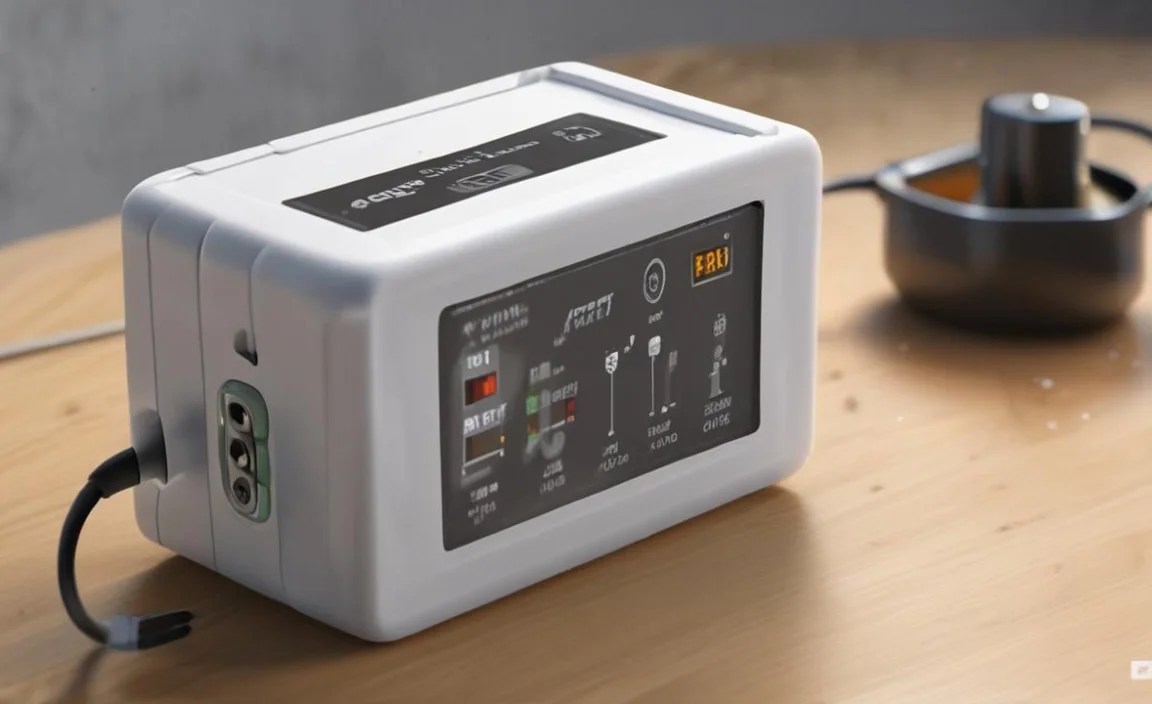
The concept of an “effortless” battery charger for AGM batteries centers on technology that simplifies the charging process while ensuring maximum battery care. Smart chargers, often referred to as microprocessor-controlled chargers, are the epitome of this. They continuously monitor the battery’s voltage, current, and sometimes temperature, dynamically adjusting the charging cycle for peak efficiency and battery longevity.
The float mode, a standard feature in intelligent chargers, is particularly important for maintaining batteries that aren’t used regularly. This mode provides a tiny trickle of current to keep the battery at its optimal charge level, counteracting natural self-discharge without overcharging. This means you can leave your RV plugged into shore power with a connected smart charger, or your boat on its mooring, knowing your AGM battery is consistently maintained and ready for use.
For those with multiple batteries or different types of batteries, some chargers even offer advanced features like equalizing charges (typically not for AGM batteries, but important to note the distinction) or battery desulfation modes. However, for a pure AGM setup, the focus remains on precise, multi-stage charging that respects the sealed nature of the battery.
Investing in a quality AGM battery charger is not merely an expense; it’s an investment in the reliability and longevity of your critical power systems. By understanding the unique requirements of AGM batteries and selecting a charger with the appropriate features, you can ensure your batteries deliver robust performance, season after season, effortlessly and effectively.