Understanding the best battery charger settings for your car battery is crucial for maintaining its longevity and ensuring reliable vehicle performance. Using the wrong settings can lead to undercharging, overcharging, or even permanent damage, rendering your battery useless and potentially causing safety hazards. This guide will walk you through the essential considerations for optimizing your battery charger’s performance, ensuring your car battery receives the care it deserves.
Why Proper Battery Charger Settings Matter
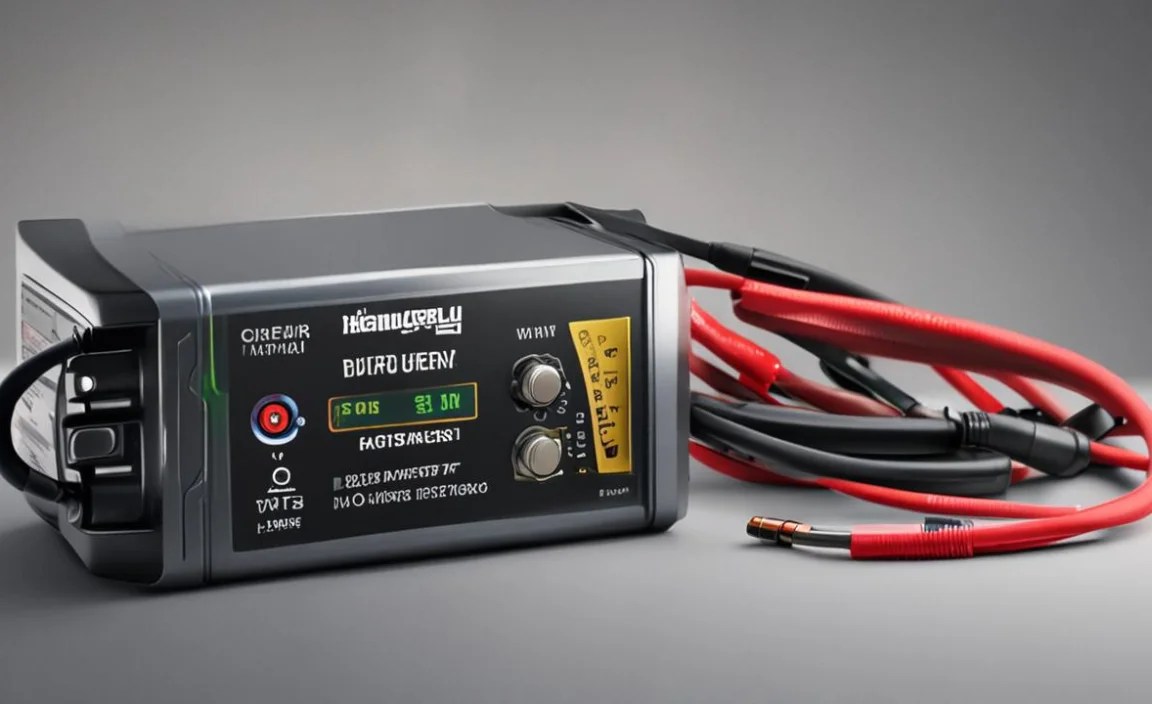
A car battery isn’t just a simple power source; it’s a complex electrochemical device. The charging process is a delicate dance of electrical energy and chemical reactions within the battery. Incorrect settings can disrupt this balance:
Undercharging: This leaves the battery with insufficient charge, leading to reduced cranking power and potentially sulfation, a buildup of lead sulfate crystals on the battery plates. Sulfation impedes the battery’s ability to hold a charge and deliver power.
Overcharging: Excessive voltage or prolonged charging can cause the electrolyte to boil, leading to water loss and potentially damaging the internal components of the battery. This can also accelerate corrosion of the battery terminals.
Incorrect Charging Rate: Charging a battery too quickly or too slowly can both be detrimental. A rapid charge can overwhelm the chemical processes, while a very slow charge can prolong the process unnecessarily and still lead to some sulfation if not monitored.
Understanding Your Battery Type

Before you even touch a charger, the first step in selecting the best battery charger settings for car battery is to identify the type of battery you have. Modern cars primarily use lead-acid batteries, but there are variations:
Flooded Lead-Acid (Wet Cell): These are the most traditional type, with removable caps that allow you to check and add distilled water. They are common in older vehicles.
Enhanced Flooded Batteries (EFB): Designed for vehicles with start-stop technology, EFBs offer better charge acceptance and cyclic durability than standard flooded batteries.
Absorbent Glass Mat (AGM): These batteries feature the electrolyte absorbed into fiberglass mats. They are the preferred choice for many modern vehicles with advanced electrical systems due to their durability, higher performance, and safety features (they are sealed).
Most modern chargers are designed to handle multiple battery types, but it’s essential to ensure your charger has the correct setting for your specific battery. Incorrectly charging an AGM battery with a setting designed for a flooded lead-acid battery, for instance, can lead to premature failure.
Key Battery Charger Settings Explained
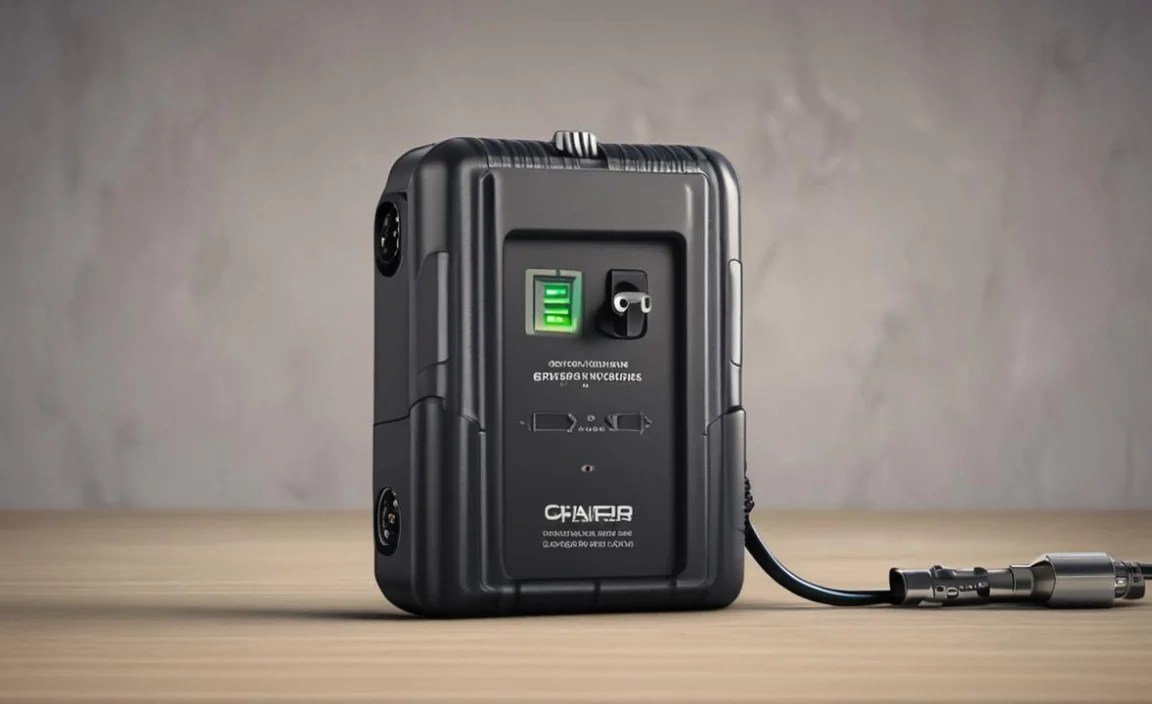
Most modern smart chargers offer a range of settings. Here are the most common and important ones to understand:
Voltage Settings

This is arguably the most critical setting. Car batteries typically operate at 12 volts. However, the charging voltage needs to be slightly higher to overcome the battery’s internal resistance and drive the charging process.
12V Setting: For standard 12-volt car batteries. This is the most common setting.
6V Setting: Primarily for older or smaller batteries, like those found in motorcycles or classic cars. Using this on a 12V battery won’t charge it effectively.
24V Setting: Less common for typical passenger cars, but used for larger vehicles or two 12V batteries wired in series.
Crucially, always select the voltage that matches your car battery. Attempting to charge a 12V battery with a 6V charger will result in minimal or no charge. Conversely, using a 24V charger on a 12V battery will almost certainly cause severe damage.
Ampere (Amperage) Settings
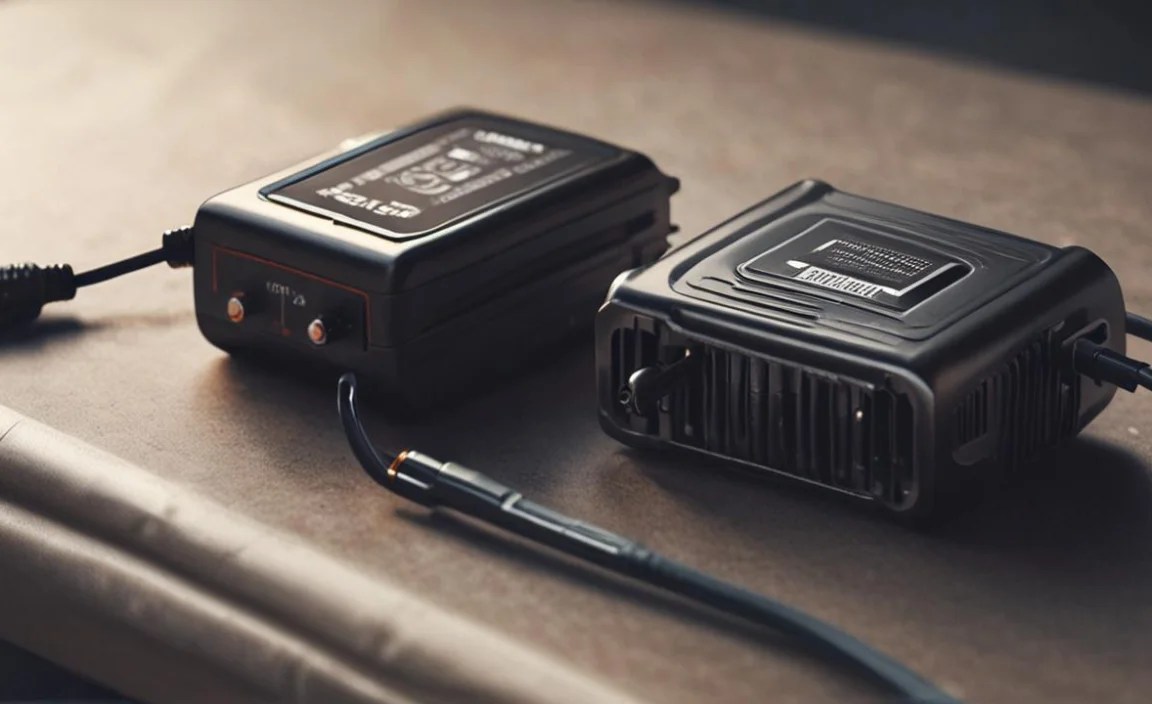
Amperage dictates the rate of charge – how quickly the charger delivers electricity. This is often expressed as “Amps” or “A.”
Low Amperage (1-4 Amps): This is ideal for the trickle charging or maintenance of batteries. It’s a slow, gentle charge that’s excellent for batteries that are stored for extended periods or for topping off a slightly discharged battery without risk of damage.
Medium Amperage (5-15 Amps): This is a good all-around setting for charging a moderately discharged battery. It provides a balance between charging speed and the risk of damaging the battery.
High Amperage (20+ Amps): This is for fast charging a deeply discharged battery. However, it should be used sparingly and with caution, as high amperage can generate significant heat and stress within the battery. For most regular maintenance and charging, avoid high amperage settings unless absolutely necessary and your charger is designed for it.
General Rule of Thumb: A good starting point for most car batteries is a charging rate of around 10% of the battery’s Cold Cranking Amps (CCA) rating. For example, a battery with 500 CCA could be charged at approximately 5 Amps. However, if your charger has an automatic setting, it will often calculate this for you.
Charging Modes

Modern smart chargers have multiple charging modes to optimize the process:
Normal/Standard Charge: The default mode for most situations. The charger delivers current at a set voltage until the battery is close to fully charged.
Fast Charge: This mode increases the amperage to charge a battery more quickly. Use this mode cautiously, as mentioned above.
Trickle Charge/Maintenance Mode: This mode delivers a very low, continuous charge to keep a fully charged battery topped off. It’s ideal for vehicles that aren’t used regularly, preventing self-discharge.
AGM Mode: Specifically designed for AGM batteries, often using a two-stage charging process that is gentler and prevents overcharging.
* Repair/Desulfation Mode: Some advanced chargers have a desulfation mode. This attempts to break down the lead sulfate crystals that form on battery plates over time, potentially restoring some capacity to a sulfated battery. This is not a guaranteed fix but can sometimes help.
How to Select the Best Battery Charger Settings for Car Battery

1. Identify Your Battery Type: Check your battery’s label or your vehicle’s owner’s manual.
2. Check Your Charger’s Capabilities: Ensure your charger supports your battery type and offers adjustable settings. Smart chargers are highly recommended.
3. Choose the Correct Voltage: Always match the charger’s voltage setting to your battery’s voltage (usually 12V).
4. Select Appropriate Amperage: For routine charging or maintenance, opt for lower to medium amperage (e.g., 5-10 Amps). Avoid high amperage unless necessary. If your charger has an automatic setting, it’s usually the safest choice.
5. Utilize Specific Modes When Available: If you have an AGM battery, use the AGM mode. For infrequently used vehicles, engage the maintenance or trickle charge mode after the initial charge.
6. Follow Manufacturer Instructions: Always refer to both your car battery’s and your battery charger’s instruction manuals for specific recommendations.
By understanding and correctly applying these best battery charger settings for car battery, you can significantly extend the life of your battery, ensure your vehicle starts reliably, and avoid costly premature replacements. A little knowledge goes a long way in battery maintenance.