For parents seeking the ultimate backyard adventure, a battery-operated jeep for kids offers hours of safe, imaginative fun. These ride-on toys provide a realistic driving experience, promoting outdoor play and motor skills. Choosing the right one is simple with this guide, ensuring a durable and enjoyable toy for your little explorer.
Battery Operated Jeep for Kids: Essential Fun That Sparks Imagination
Is your little one dreaming of hitting the open road? A battery-operated jeep for kids is more than just a toy; it’s a ticket to adventure and a fantastic way to encourage active play. These ride-on vehicles bring the thrill of driving right to your driveway or backyard, letting your child explore their world with a sense of independence. Many parents find themselves wondering how to pick the best option to ensure safety, fun, and longevity. Don’t worry, it’s easier than you think! We’ll walk you through everything you need to know to choose a fantastic battery-powered jeep that your child will absolutely love. Get ready for endless smiles and exciting journeys!
Why a Battery Operated Jeep is a Great Choice for Kids

Imagine the sheer joy on your child’s face as they hop into their very own jeep, ready to explore the backyard jungle or navigate the living room ‘desert’. Battery-operated jeeps are designed to mimic real vehicles, offering a tactile and engaging play experience. They’re not just about driving; they help children develop crucial skills.
- Encourages Outdoor Play: In an age of screens, these jeeps are a brilliant incentive to get kids outside and moving.
- Boosts Motor Skills: Steering, accelerating, and braking (even simulated) help refine hand-eye coordination and fine motor skills.
- Sparks Imagination and Role-Playing: Is it a safari expedition? A daring rescue mission? The possibilities are endless, fostering creative storytelling.
- Teaches Basic Cause and Effect: Kids learn that pressing the pedal makes the jeep go and turning the wheel changes direction.
- Promotes Independence: Having control over their own ‘vehicle’ can be incredibly empowering for young children.
Choosing the Right Battery Operated Jeep: Key Features to Consider

With so many options available, selecting the perfect battery-operated jeep can feel a bit overwhelming. Think of it like choosing a real car, but with a few extra kid-friendly twists! Here’s what to look for:
1. Age and Weight Capacity
This is the most important factor for safety and enjoyment. Most jeeps are designed for specific age ranges (e.g., 2-4 years, 3-6 years) and have a maximum weight limit. Always check these specifications to ensure the jeep is suitable for your child and won’t be damaged through overuse.
2. Battery Power and Run Time
Battery-operated jeeps typically come with 6V, 12V, or 24V systems.
- 6V: Best for younger children or smaller, one-seater models. They offer moderate speeds and shorter run times.
- 12V: A popular choice, offering a good balance of speed, power, and run time. Many two-seater models use 12V batteries.
- 24V: The most powerful, suitable for larger, more rugged models, often with higher speed capabilities. Best for older kids and more adventurous terrain.
Pay attention to the rechargeable battery life. Look for run times of at least 45-60 minutes on a full charge, and consider how long it takes to recharge. A quick recharge time means less waiting and more playing!
3. Speed Settings
For safety, especially with younger drivers, adjustable speed settings are a lifesaver. Many jeeps have a low-speed option (around 1-2 mph) and a higher-speed option (2-4 mph). Some even have a parental remote control override, giving you peace of mind.
4. Safety Features
Beyond speed, look for robust construction, non-slip pedals, seat belts (essential for larger models), and smooth, rounded edges. Some advanced models might even have electronic brakes that stop the vehicle when the foot is taken off the pedal. Always research reputable brands known for their safety standards. The U.S. Consumer Product Safety Commission (CPSC) offers valuable safety information on ride-on toys.
5. Durability and Build Quality
Kids can be tough on their toys! Look for a jeep made from sturdy, high-quality plastic. Well-constructed wheels and a solid frame will ensure the jeep lasts longer and withstands enthusiastic play. Check reviews for comments on durability.
6. Realism and Fun Factor
Does it have working headlights? A functional horn? A “radio” with pre-loaded songs or an AUX/Bluetooth input for custom tunes? Little details like these can significantly enhance the imaginative play experience.
7. Size and Storage
Consider where the jeep will be used and stored. Larger, more powerful models might be great for open yards but could be cumbersome indoors or in smaller spaces. Measure your intended play areas and storage locations before buying.
Getting Started: Unboxing and Assembly
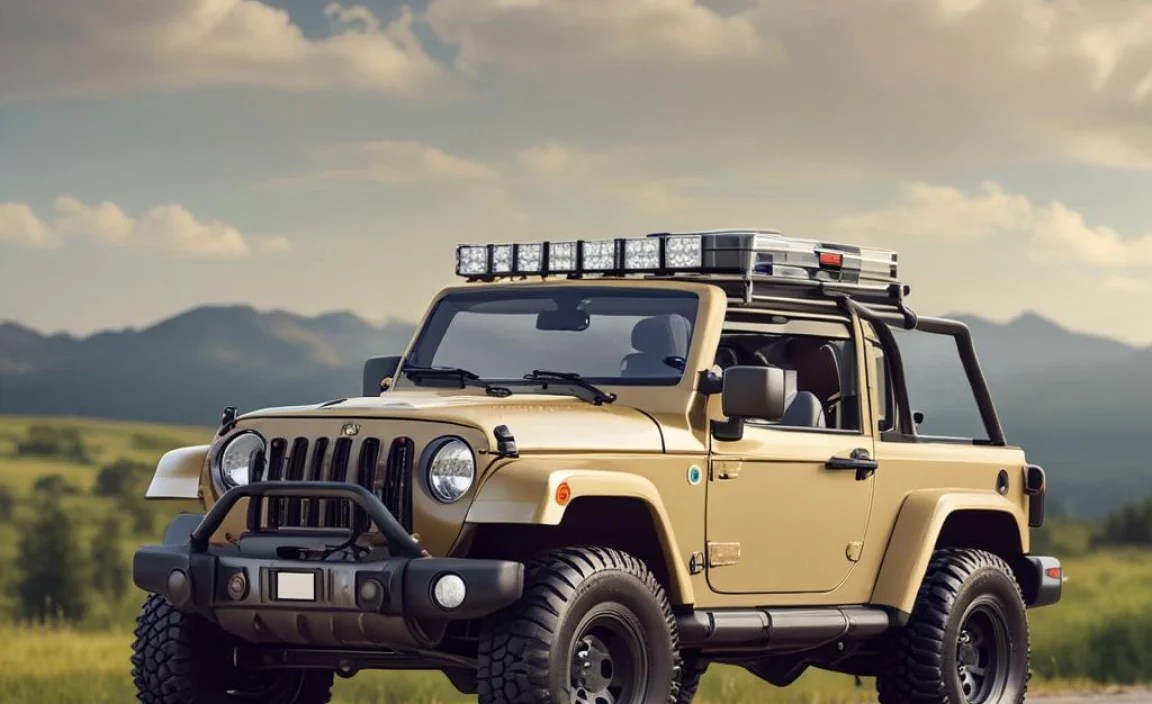
Most battery-operated jeeps arrive partially assembled, but you’ll typically need to attach the wheels, steering wheel, seat, and perhaps a windshield or roll bar. The process is usually straightforward, akin to assembling a bike.
Tools You Might Need:
- Screwdriver set (Phillips head is common)
- Pliers (occasionally)
- Wrench (sometimes included or needed for specific bolts)
- Owner’s Manual (crucial!)
Step-by-Step Assembly Essentials:
- Unpack Carefully: Lay out all the parts and check them against the parts list in the manual.
- Attach Wheels: Securely fasten each wheel according to the instructions. Ensure they spin freely but are firmly attached.
- Install Steering Wheel: Connect the steering wheel, making sure it aligns correctly.
- Secure the Seat: Bolt the seat firmly in place.
- Connect Battery: This is often done last. Follow the manual to connect the battery wires. Ensure the connectors are secure and match the color coding (e.g., red to red, black to black).
- Charge Fully Before First Use: This is vital for battery health and maximizing playtime.
If you encounter any confusion, don’t hesitate to consult the user manual or look for assembly videos for your specific model online. Safety first during assembly!
Charging Your Little Driver’s Jeep: A Simple How-To

The battery is the heart of the operation! Proper charging ensures longevity and maximum fun time for your child. Most jeeps come with a dedicated charger.
How to Charge Safely:
- Locate the Charging Port: This is usually found on the jeep itself, often near the battery compartment, or it might be a wire extending from the jeep.
- Connect the Charger: Plug the charger into the jeep’s port and then plug the charger into a standard wall outlet.
- Check the Indicator Light: Most chargers have an indicator light that shows if it’s charging (often red) and fully charged (often green).
- Charge Time: Refer to your manual. A full charge can take anywhere from 4 to 18 hours. Avoid overcharging beyond the recommended time, as this can degrade the battery.
- Unplug When Done: Once the light indicates a full charge, unplug the charger from the wall and then from the jeep.
Battery Care Tips:
- Charge the battery after every use.
- Never leave a battery completely discharged for extended periods.
- Store the jeep and battery in a cool, dry place, away from extreme temperatures.
- If storing for a long time (e.g., over winter), charge the battery fully first and then recharge it every 1-2 months.
For further insights into battery maintenance and types, resources like Battery University offer in-depth, expert knowledge that can be applied to various battery technologies.
Riding Safely: Essential Tips for Parents

Safety is paramount when it comes to any ride-on toy. Think of yourself as the driving instructor for your child!
Supervision is Key:
Always supervise your child while they are playing with the battery-operated jeep, especially in the beginning. Ensure there are no hidden hazards like steep slopes, ditches, water, or busy roads nearby.
Choose a Safe Riding Area:
- Flat, Open Paved Surfaces: Driveways, sidewalks (if allowed and safe), or smooth patio areas are ideal.
- Grass: Some jeeps handle grass well, but it can drain the battery faster and make steering harder. Ensure the grass is free of holes and obstacles.
- Avoid: Hills, sand, mud, water, and proximity to pools or streets.
Dress for the Ride:
Ensure your child wears appropriate clothing that won’t get caught in moving parts. Closed-toe shoes are a must for using the foot pedal.
Explain the Rules:
As your child gets older and more proficient, discuss basic rules of the road, like looking where they are going and stopping when asked.
Regular Safety Checks:
Periodically inspect the jeep for loose parts, cracks, or damage. Ensure the battery is securely in place and the charger is in good condition.
For additional safety guidelines on children’s product safety, the U.S. Consumer Product Safety Commission (CPSC) is an excellent resource.
Common Battery Operated Jeep Models and Features
While specific models change, there are common types of battery-operated jeeps you’ll find on the market. Understanding these can help you narrow down your search.
Types of Jeeps:
- Classic Jeep Wrangler Style: Often the most popular, replicating the iconic look with open sides, a roll bar, and a rugged appearance.
- Luxury/Sports Style Jeeps: May feature more elaborate designs, working doors, LED lights, and premium finishes.
- Two-Seater Jeeps: Larger models designed to accommodate two children, usually with 12V or 24V systems for adequate power.
Feature Comparison Table
This table highlights the typical differences you might see between various battery-powered jeep options.
| Feature | Entry-Level (6V) | Mid-Range (12V) | Premium (24V or High-End 12V) |
|---|---|---|---|
| Age Range | 2-4 years | 3-6 years | 4-8 years |
| Speed | 1-2 mph | 2-3 mph (often with a slower gear) | 2-5 mph (often with multiple speed settings) |
| Battery Power | 6 Volts | 12 Volts | 24 Volts / High-Amp 12 Volts |
| Run Time (approx.) | 30-45 minutes | 45-60 minutes | 60+ minutes |
| Seating | Typically 1 Seater | 1 or 2 Seaters | 2 Seaters common |
| Durability | Good | Very Good | Excellent |
| Extra Features (lights, sounds, remote) | Basic | Common | Abundant |
Parental Remote Control: A Game Changer
For younger children or just for added peace of mind, a parental remote control is a fantastic feature. It allows a parent to steer, stop, or slow down the jeep from a distance. This is excellent for teaching beginners or for intervening if the child drives too close to an obstacle.
Troubleshooting Common Issues
Even the best toys can have occasional hiccups. Here are a few common issues and how to solve them:
Jeep Won’t Turn On
- Check Battery Connection: Ensure the battery is properly connected to the jeep’s wiring harness.
- Fully Charged Battery: Confirm the battery is fully charged. A low battery might prevent it from powering up.
- Power Switch: Make sure the on/off switch is in the ‘on’ position.
- Fuse: Some models have a small fuse that might have blown. Consult your manual for location and replacement.
Jeep Runs Slowly or Stops After a Short Time
- Battery Not Fully Charged: Recharge the battery completely.
- Battery Age/Health: Batteries degrade over time. An older battery might not hold a charge as well.
- Overload: Ensure you are not exceeding the weight limit, especially if two children are on board a single-seater or a lighter model.
- Terrain: Driving on rough terrain or uphill uses more power.
Wheels Not Turning or Steering Issues
- Obstruction: Check for any debris or toys stuck in the wheels or under the jeep.
- Loose Connections: Sometimes, the steering mechanism or wheel gears can become loose during rough play. Refer to the manual for how to tighten them.
If you can’t resolve an issue, contacting the manufacturer’s customer support is usually the best next step. Reputable brands will often offer troubleshooting assistance or replacement parts.
Maintenance for Longevity
Just like a real car, a battery-operated jeep benefits from regular care. A little attention goes a long way in keeping it running smoothly for years of adventure.
Regular Cleaning:
Wipe down the exterior with a damp cloth to remove dirt and grime. Avoid using harsh chemicals that could damage the plastic.
Battery Management:
As mentioned, proper charging is key. If storing over winter, clean the jeep, charge the battery fully, and store it indoors in a moderate temperature. Recharge it every month or two.
Check for Wear and Tear:
Periodically inspect wheels for wear, check that all bolts and screws are tight, and ensure the seat belt (if applicable) is in good condition. Replace any worn or damaged parts immediately.
Frequently Asked Questions (FAQs)
Q1: How long does the battery typically last on a single charge?
A1: Run times vary greatly by model and battery voltage. Most 6V jeeps offer about 30-45 minutes, while 12V and 24V models can provide 45-60 minutes or even longer on a full charge. This also depends on the weight of the child and the terrain they are driving on.
Q2: What is the safest way to charge the battery?
A2: Always use the charger that came with the jeep. Charge on a hard, flat surface away from flammable materials. Do not overcharge; unplug once the charge indicator shows the battery is full, typically after 4-18 hours depending on the charger and battery size.
Q3: Can two children ride in a jeep designed for one?
A3: It’s strongly advised against this. Jeeps are engineered for a specific weight limit and power output. Exceeding this can strain the motor, drain the battery quickly, cause the jeep to be unstable, and is a significant safety risk.
Q4: How can I make the battery last longer between charges?
A4: Charge the battery fully after each use. Avoid running the jeep until the battery completely dies. Drive on smoother surfaces, avoid excessive uphill traveling, and ensure the child isn’t carrying extra heavy loads. Also, ensure tires are properly inflated if applicable, as under-inflated tires can increase drag.
Q5: My child is a beginner driver. What safety features should I prioritize?
A5: Look for lower top speeds (1-2 mph), a parental remote control override feature, seat belts, non-slip pedals, and a sturdy construction. Gradual acceleration and automatic braking when the foot is removed from the pedal are also excellent safety features.
Q6: Can I use a different charger if the original is lost?
A6: It’s best to replace it with an official charger from the manufacturer. Using an unapproved charger with the wrong voltage or amperage can damage the battery or even pose a fire risk. Always match the charger’s specifications precisely to the battery requirements.