A battery-operated shaver for women offers a convenient, portable, and often pain-free way to achieve smooth skin. This essential guide will walk you through choosing, using, and maintaining one, ensuring you get the best results for your needs.
Are you tired of fiddly razors or painful waxing appointments? A battery-operated shaver might just be your new best friend for smooth skin on the go. These clever gadgets are super easy to use, quiet, and you can take them anywhere. We get it – figuring out which one is right for you can be a little confusing. But don’t worry! We’re here to break it all down. This guide will help you pick the perfect shaver and learn how to use it like a pro. Get ready for effortless grooming!
What is a Battery Operated Shaver for Women?

Simply put, a battery-operated shaver for women is a small, handheld electric device designed to remove hair from the body. Unlike traditional razors that cut hair at the skin’s surface, electric shavers use a moving blade that glides over the skin, cutting hair just above it. They run on batteries, meaning no cords are needed, making them incredibly portable and convenient. They are a popular choice for women who want a quick, easy, and often painless way to achieve smooth skin, especially for sensitive areas like the legs, underarms, and bikini line.
Why Choose a Battery Operated Shaver?

There are several great reasons why a battery-operated shaver might be the best choice for your hair removal needs:
- Convenience: No cords means you can use it anywhere, anytime. Perfect for touch-ups before heading out or while traveling.
- Portability: Small and lightweight, they fit easily into a purse, gym bag, or suitcase.
- Pain-Free: Most users find electric shaving to be much less painful than waxing or epilating.
- Quickness: Shaving is typically a fast process, saving you valuable time.
- Gentle on Skin: Many models are designed to be gentle, reducing the risk of nicks, cuts, and irritation, especially compared to manual razors.
- Cost-Effective: While there’s an initial investment, they can be more cost-effective over time than continuous waxing or buying disposable razors.
Types of Battery Operated Shavers

When looking for a battery-operated shaver, you’ll mostly encounter two main designs:
Foil Shavers
These shavers have a thin, perforated metal foil that covers the cutters. The hair enters the foil through the small holes, and the sharp blades underneath efficiently cut the hair. They are generally good for sensitive skin as the foil acts as a protective barrier. Foil shavers often provide a very close shave and are excellent for precise work, especially in areas like the bikini line. They tend to be better for longer hair and can be less effective on very short stubble.
Rotary Shavers
Rotary shavers feature multiple circular heads that spin or oscillate. As you move the shaver over your skin, the rotating cutters capture and cut the hair. These are often better for following the contours of your body, making them great for larger areas like legs and underarms. They can be effective on both short and longer hairs and often provide a decent shave with less risk of irritation for some users.
Key Features to Look For
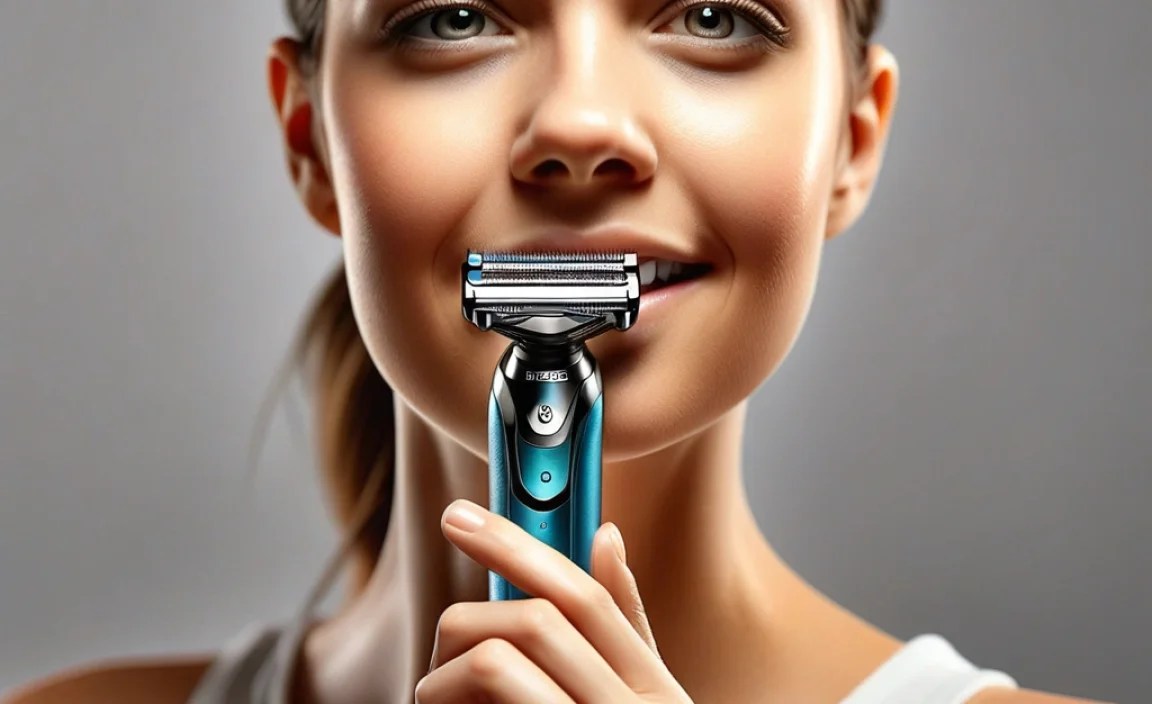
Not all battery-operated shavers are created equal. Here are some important features to consider when making your choice:
- Power Source: Most use standard AA or AAA batteries, while others have rechargeable battery packs. Rechargeable options are often more convenient and environmentally friendly. Check the battery life and charging time if this is important to you.
- Wet or Dry Use: Some shavers are designed for dry use only, while others can be used wet (with shaving cream or gel) or dry. Wet shaving can provide a smoother shave and reduce irritation. If you prefer shaving in the shower, look for a wet/dry model.
- Ergonomics and Design: How does the shaver feel in your hand? Is it easy to grip, even when wet? A comfortable design makes the shaving process much more pleasant.
- Hypoallergenic Blades/Foil: If you have sensitive skin, look for shavers with hypoallergenic materials to minimize the risk of allergic reactions or irritation.
- Head Flexibility: A shaver with a flexible head or pivoting cutters can better conform to the curves of your body, ensuring a closer and more comfortable shave in tricky areas.
- Attachments and Accessories: Some shavers come with various attachments, such as bikini combs, detail trimmers, or exfoliating brushes, which can enhance their functionality.
- Ease of Cleaning: Most shavers have a brush for cleaning, and many are waterproof, allowing for easy rinsing under running water. Some even have a one-button cleaning function.
Top Battery Operated Shavers for Women (Examples)

While specific models change rapidly, here are some popular types and brands known for their quality in the battery-operated shaver category for women. Always check recent reviews for the latest models.
Compact and Portable Options
These are ideal for travel and quick touch-ups. They are often smaller, lighter, and run on standard AA batteries.
- Panasonic ES2207P Electric Shaver for Women: A popular, rechargeable option known for its hypoallergenic blades and close shave. It is often cited for general body shaving from legs to underarms.
- Braun Silk-épil LS5160 Wet & Dry Epilator: While an epilator also has shaving attachments, many Braun models offer excellent integrated shaving heads. This one is rechargeable and designed for wet/dry use.
Specialized Shavers (e.g., Bikini Trimmers)
These often come with specific attachments for more precise grooming in sensitive areas.
- Philips Norelco BikiniGenius Trimmer: This provides precise trimming with guard combs for different lengths, ideal for shaping and tidying the bikini area. While often battery-powered, check specific models for rechargeable options.
Full-Body Shavers
Designed for overall hair removal on legs, arms, and underarms, these may offer wider heads or more power.
- Remington Smooth & Silky Ultimate Bikini Kit: Often includes a full-size shaver and a smaller detail trimmer, offering versatility.
Important Note: Always refer to the manufacturer’s specifications, current reviews, and your own skin type when selecting a shaver. Many modern shavers are rechargeable, offering more consistent power than disposable batteries.
How to Use Your Battery Operated Shaver
Using a battery-operated shaver is straightforward, but a few tips can help you get the best, smoothest results and avoid irritation.
Step-by-Step Guide:
- Prepare Your Skin: For the smoothest shave, it’s best to shave when your skin is warm and soft. The best time is usually after a warm shower or bath, as this helps to open up your pores and soften the hair. However, many shavers can also be used dry, which is handy for quick touch-ups.
- Exfoliate (Optional but Recommended): Gently exfoliating your skin before shaving can help remove dead skin cells and lift hairs, allowing for a closer shave and preventing ingrown hairs. You can use a loofah, an exfoliating glove, or a mild scrub.
- Ensure the Shaver is Ready: Make sure your shaver has fresh batteries or is fully charged. Check that the blades are clean and free of any hair or debris.
- Hold the Shaver Correctly: Stretch the skin taut with your free hand. This is very important for areas where the skin might fold or crease, like around the knees or ankles. Hold the shaver at a slight angle (check your shaver’s manual, but usually around 30-45 degrees for foil shavers) and press gently against your skin.
- Shave in Short Strokes: Move the shaver gently across your skin in short, overlapping strokes. Shave against the direction of hair growth for the closest possible result. For sensitive areas, you might opt to shave with the direction of hair growth or use very light pressure.
- Rinse and Repeat: If you’re using shaving cream or gel (for wet shaving), rinse the shaver head frequently under water to prevent it from getting clogged with hair and cream. Rinse the skin as needed.
- For Tricky Areas: Pay extra attention to curves and contours. Pivoting heads and flexible foils/cutters help here. Again, stretching the skin is key. For bikini areas, use detail combs or guards if provided to avoid cutting too close if desired.
- Post-Shave Care: Once you’ve finished shaving, rinse your skin with cool water to help close pores. Pat your skin dry gently with a soft towel.
- Moisturize: Apply a gentle, fragrance-free moisturizer to soothe and hydrate your skin. This helps prevent dryness and irritation.
- Clean Your Shaver: After each use, clean your shaver thoroughly according to the manufacturer’s instructions. Most waterproof shavers can be rinsed under running water. Use the cleaning brush provided to remove any stray hairs from the blades or foils.
Shaving Tips for Sensitive Skin
If you have sensitive skin, you’ll want to be extra careful to avoid redness, bumps, and irritation.
- Always use a moisturizing shaving cream or gel, even if the shaver is designed for dry use. This provides a protective barrier.
- Opt for a shaver with hypoallergenic blades or foil made from materials like titanium or platinum.
- Test the shaver on a small, inconspicuous area first to see how your skin reacts.
- Use very light pressure and avoid going over the same spot repeatedly.
- Shave in the direction of hair growth rather than against it.
- Rinse the shaver head frequently to avoid tugging.
- Moisturize with a gentle, fragrance-free lotion immediately after shaving.
- Avoid harsh exfoliants immediately before or after shaving.
Cleaning and Maintaining Your Shaver
Proper care will extend the life of your battery-operated shaver and ensure it performs at its best. Always consult your shaver’s manual for specific instructions, as methods can vary.
General Cleaning Steps:
- Unplug or Ensure Batteries are Removed: Safety first! Make sure the device is not powered on.
- Rinse the Shaver Head: For most waterproof shavers, you can simply run the shaving head under warm running water. This will wash away hair clippings and any shaving cream residue.
- Use the Cleaning Brush: Many shavers come with a small brush. Use this to gently sweep away any tiny hairs or debris that the water didn’t rinse away, especially from around the blades and the foil/cutters.
- Dry Thoroughly: After rinsing and brushing, gently shake off excess water and allow the shaver to air dry completely before storing it. Do not use a hairdryer, as the heat can damage the plastic components.
- Lubricate (If Recommended): Some shavers, particularly foil-type ones, may benefit from a drop of lubricant (usually included or recommended by the manufacturer) on the blades every few weeks to keep them running smoothly. Check your manual.
- Replace Blades/Foil: shaver blades and foils are consumables and will dull over time. Most manufacturers recommend replacing them every 6-12 months, depending on usage. A worn-out blade will tug at hairs and won’t provide as close a shave. You can usually find replacement parts on the manufacturer’s website or at major retailers.
Battery Considerations
The power source is a critical part of your battery-operated shaver.
Disposable Batteries vs. Rechargeable Batteries:
| Feature | Disposable Batteries (e.g., AA, AAA) | Rechargeable Batteries (Built-in) |
|---|---|---|
| Initial Cost | Generally lower purchase price for the shaver. | Can be higher upfront for the shaver. |
| Ongoing Cost | Requires continuous purchase of replacement batteries. | No ongoing cost for batteries. |
| Convenience (Immediate Use) | Ready to use as long as you have spare batteries on hand. | Needs initial charging; can be inconvenient if battery is dead and you need to use it immediately. |
| Portability (Travel) | Easy to carry spares. | Requires carrying charger or ensuring it’s fully charged before travel. |
| Environmental Impact | Disposal of used batteries can be a concern. Look for rechargeable battery options where possible. | More eco-friendly as it reduces battery waste. |
| Power Consistency | Power can drop as batteries drain. | Often provides more consistent power output throughout the charge cycle. |
For frequent users, rechargeable shavers are often more economical and convenient in the long run. For occasional use or travel, disposable battery shavers can still be a good option.
Battery Life and Charging:
If you choose a rechargeable model, check the:
- Run Time: How long does it last on a full charge? Aim for at least 30-45 minutes if plan to use it for full body grooming.
- Charging Time: How long does it take to fully charge? Some offer quick charges for a single shave.
- Charging Method: Does it come with a charging stand, a USB cable, or a standard wall adapter? USB charging is becoming increasingly common and convenient. For more information on battery care in general, take a look at resources on rechargeable battery technology from the U.S. Department of Energy, which offers insights into battery performance and longevity.
Troubleshooting Common Issues
Even the best shavers can sometimes present minor problems. Here’s how to tackle them:
- Shaver Not Working:
- Check Batteries: For battery-powered models, ensure batteries are inserted correctly and are not dead. Try fresh batteries.
- Check Charge: For rechargeable models, ensure it is properly plugged in and charging, and that the battery has enough charge.
- Power Switch: Make sure the power switch is in the ‘on’ position.
- Doesn’t Shave Closely:
- Skin Preparation: Ensure skin is clean, dry (or appropriately wet for wet shavers), and taut.
- Hair Growth Direction: Try shaving against the direction of hair growth.
- Blade Condition: The blades or foil might be dull. Consider replacing them if they are old.
- Too Much Pressure: You might be pressing too hard, which can push hairs down and prevent cutting. Use gentle, even pressure.
- Skin Irritation or Bumps:
- Too Much Pressure: Ease up on the pressure.
- Over-Shaving: Avoid going over the same area multiple times.
- Dull Blades: Old blades can cause tugging and irritation.
- Sensitive Skin: Use a moisturizing lubricant, shave with the grain, and consider a shaver designed for sensitive skin.
- Post-Shave Care: Always moisturize after shaving.
- Shaver Clogged:
- Clean Regularly: Rinse the shaver head after each use.
- Use the Brush: Detach the shaving head (if possible) and use the cleaning brush to remove all hair clippings.
- Wet Shaving Aid: If using dry, consider adding a tiny bit of shaving cream or water to loosen debris before rinsing and brushing.
Frequently Asked Questions (FAQ)
Q1: Can I use a battery-operated shaver in the shower?
A1: Some shavers are specifically designed for “wet and dry” use, meaning they are waterproof and can be used safely in the shower with or without shaving cream. Always check the product description or manual to confirm if your model is suitable for wet use. If it’s a “dry use only” model, using it in or around water can damage it and be unsafe.
Q2: How often should I replace the blades or foil on my electric shaver?
A2: It’s generally recommended to replace the blades and foil every 6 to 12 months, depending on how often you use the shaver and the specific model. When you notice the shaver tugging at hairs, not providing as close a shave as before, or causing more irritation, it’s usually a sign that the blades need replacing.