Find a reliable 24V car battery under $100 in Australia by comparing top brands based on warranty, capacity (Ah), and cold-cranking amps (CCA). Prioritize reputable retailers and check user reviews for the best value and performance for your specific vehicle needs.
Is your car battery giving you trouble? A flat battery can be a real headache, especially when you’re on the go. Luckily, finding a good quality 24V car battery without breaking the bank is totally achievable. We’re here to cut through the confusion and help you find the best option for your needs and your wallet.
This guide will walk you through what to look for, how to compare your choices, and where to find great deals on 24V car batteries. We’ll make sure you understand the key specs so you can make a confident decision. Get ready to power up your ride!
Understanding Your 24V Car Battery Needs

Before we dive into comparing specific batteries, let’s make sure you know what a 24V system means for your car and what you should be looking for. Unlike most standard passenger cars that use a 12V system, some larger vehicles, trucks, or specialized equipment might use a 24V setup, often achieved by linking two 12V batteries in series.
It’s crucial to have the right battery for your vehicle. Using the wrong type or voltage can lead to poor performance, or worse, damage to your electrical system. So, a little understanding goes a long way!
What is a 24V Car Battery System?
In many automotive applications, especially in heavier-duty vehicles like trucks, buses, and some construction equipment, you’ll find a 24V electrical system. This is typically achieved by connecting two 12V batteries together in series. This setup provides higher voltage, which is beneficial for starting powerful engines or running more demanding accessories.
When looking for a replacement battery for a 24V system, you’re usually looking for two identical 12V batteries that will work together. It’s rare to find a single “24V” battery sold as one unit for cars; instead, you buy two 12V batteries to create your 24V system.
Key Specifications to Compare
When shopping for batteries, especially on a budget, focusing on a few key specs will help you make the best choice. Here’s what matters:
- Voltage: This is straightforward – it needs to be 12V for each battery in your 24V system. Ensure it matches your vehicle’s requirement.
- Capacity (Amp-hours / Ah): This tells you how much energy the battery can store. A higher Ah rating means the battery can power your car for longer when the engine is off, or provide more sustained power. Match this to your vehicle’s original specifications or your usual driving needs.
- Cold Cranking Amps (CCA): This is a crucial number, especially if you live in a colder climate. CCA measures the battery’s ability to start your engine in freezing temperatures. More CCA means a stronger start on cold mornings. Always check your car manual for the minimum recommended CCA.
- Reserve Capacity (RC): This indicates how long the battery can run essential accessories (like headlights or radio) if the alternator fails. It’s a good measure of backup power.
- Battery Type: Most car batteries are flooded lead-acid, but lithium-ion and Absorbed Glass Mat (AGM) batteries are also available. AGM batteries are more robust, leak-proof, and perform better in extreme temperatures, but they are usually more expensive and may not be available under $100 for two. For this budget, you’ll likely be comparing different brands of flooded lead-acid batteries.
Top 24V Car Battery Brands Under $100 (for two 12V batteries)

Finding two decent 12V batteries to form a 24V system for under $100 each (which means a total under $200 for the pair) can be a challenge if you’re aiming for premium brands. However, there are several reliable and budget-friendly options available in Australia. We’ll focus on brands known for offering good value for money.
When you see prices under $100, it generally refers to each individual 12V battery needed for your 24V setup. It’s important to buy two identical batteries for optimal performance and longevity of the battery set.
Reputable Budget-Friendly Brands
Here are some brands you might find offering value in the under $100 price point per battery. Keep in mind that prices fluctuate, and availability can vary by retailer and region in Australia.
- Century Yuasa: A well-established name in Australia, known for reliable performance. They often have entry-level ranges that can fit tighter budgets.
- SuperCharge: Another popular Australian brand that offers a good balance of price and durability. Their “All-Rounder” or “Gold” series might fall into this price range.
- Delkor: Known for robust construction and consistent power delivery. They often provide good lifespan for their price.
- Optima (Rarely <$100 each but worth checking for sales): While typically more expensive (especially their AGM batteries), you might stumble upon clearance sales or specific entry-level models of their 12V batteries that creep close to the $100 mark each around sale periods.
- Generic/House Brands: Many auto parts stores or independent mechanics might have their own branded batteries. These can often offer surprising value, but do check reviews if possible.
Factors Influencing Price
Several factors affect the cost of a car battery:
- Brand Reputation: Premium brands often charge more for their name and perceived quality.
- Technology: Standard flooded lead-acid batteries are the most affordable. AGM (Absorbent Glass Mat) batteries, which are more durable and spill-proof, are typically more expensive.
- Capacity (Ah) and CCA Rating: Higher capacity and CCA ratings usually come at a higher price.
- Warranty Period: A longer warranty often means a higher initial cost.
- Retailer Markups: Different stores will have different pricing strategies. Big box retailers, independent shops, and online stores can all vary.
Comparing Battery Specs: An Example Table
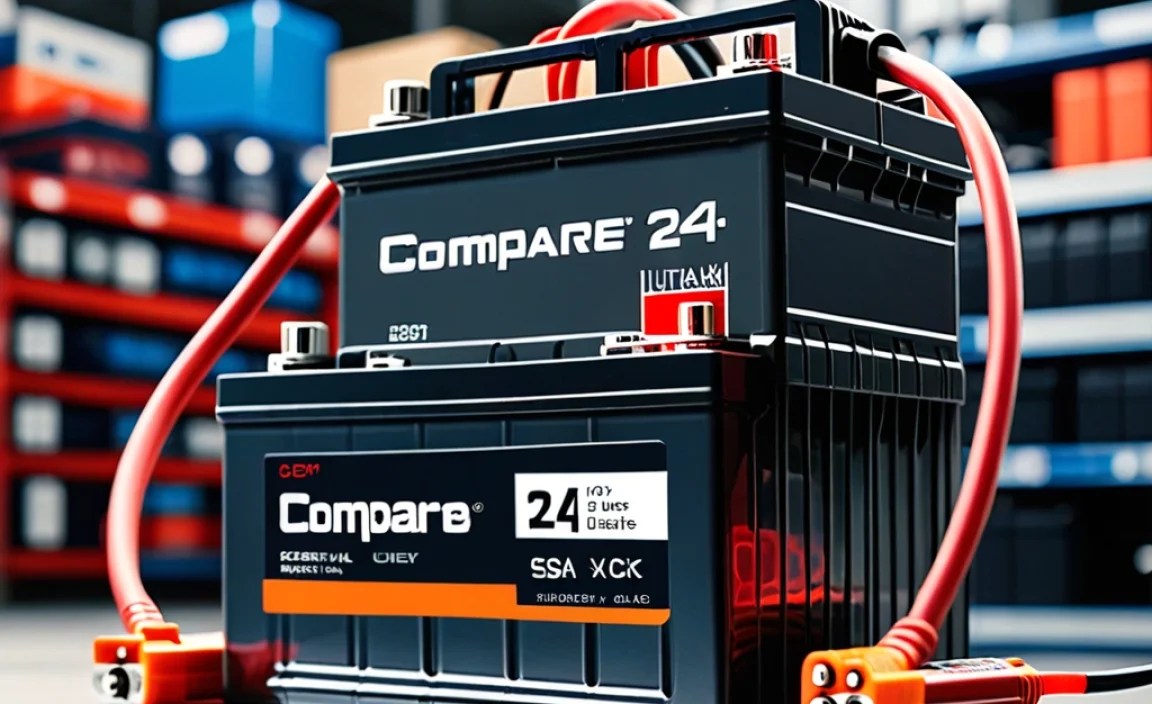
Let’s imagine we’re looking at two 12V batteries to create our 24V system. Here’s how two hypothetical options might compare. Remember to always confirm the specifications for the exact model you are considering.
| Feature | Budget Brand A (e.g., SuperCharge “Tough”) | Value Brand B (e.g., Century “Pro”) |
|---|---|---|
| Price per Battery (AUD) | $85 | $99 |
| Voltage | 12V | 12V |
| Capacity (Ah) | 65 Ah | 70 Ah |
| Cold Cranking Amps (CCA) | 540 CCA | 600 CCA |
| Warranty | 18 months standard | 24 months standard |
| Battery Type | Flooded Lead-Acid | Flooded Lead-Acid |
| Estimated Lifespan | Good (3-4 years typical) | Very Good (4-5 years typical) |
| Pros | Lowest price point, readily available. | Higher capacity and CCA, longer warranty. |
| Cons | Lower CCA might struggle in extreme cold. Shorter warranty. | Slightly higher price. |
In this example, Budget Brand A is cheaper upfront, which is great if your budget is extremely tight. However, Value Brand B offers more power (higher Ah and CCA) and a longer warranty for a bit more money, which might be a better long-term investment. For a 24V system, you would purchase two of either battery.
Where to Buy 24V Car Batteries in Australia Under $100

Finding a good deal involves knowing where to look. In Australia, several types of retailers and resources can help you snag a 24V battery pair (two 12V batteries) for under $100 each.
Online Retailers
Online stores often have competitive pricing due to lower overheads. Look out for:
- Reputable Automotive Parts Websites: Many Australian-based auto parts e-commerce sites carry a wide range of batteries from various brands. Often, you can filter by price and specifications.
- General E-commerce Platforms: Sites like eBay Australia can sometimes have great deals from smaller suppliers, but always check seller reputation and warranty information carefully.
When buying online, pay close attention to shipping costs, as batteries can be heavy. Also, ensure the seller has a clear returns policy and warranty process.
Physical Stores in Australia
For those who prefer to see the battery and get it installed quickly:
- Supercheap Auto: This is a major automotive accessory retailer in Australia with a wide selection of batteries. They often have sales and promotions on various brands.
- Repco: Another large automotive parts chain that stocks a comprehensive range of batteries and competitive prices.
- BOC (The Linde Group): While primarily known for industrial gases, BOC also sells a range of automotive batteries, sometimes offering good value, particularly for trade-focused customers.
- Local Independent Mechanics and Battery Shops: Don’t underestimate your local mechanic or independent battery specialist. They might have access to different brands or older stock that’s priced to sell, and they can offer expert advice.
Tips for Getting the Best Deal
- Compare Prices: Don’t buy the first battery you see. Use online comparison tools or visit multiple stores.
- Look for Sales and Promotions: Many retailers have seasonal sales (e.g., end-of-financial-year, Black Friday) where battery prices are significantly reduced.
- Check Warranty Periods: A longer warranty often indicates a higher quality battery and can save you money in the long run.
- Consider Older Stock: Sometimes, slightly older models or brands that are being phased out are heavily discounted. Ensure they are still within their shelf-life and quality standards.
Installing Your New 24V Battery System (Safety First!)
Replacing car batteries can seem daunting, but with the right approach and safety precautions, it’s a DIY task. Remember, you’ll be replacing two 12V batteries to maintain your 24V system.
Tools You’ll Need
Gather these before you start:
- A set of wrenches or a socket set (common sizes are 10mm, 12mm, 13mm, 14mm, 17mm)
- Safety gloves (nitrile or rubber)
- Safety glasses
- A wire brush or battery terminal cleaner
- Anti-corrosion spray or petroleum jelly
- A small amount of baking soda and water (for cleaning spills)
Step-by-Step Installation Guide
Always follow the manufacturer’s specific instructions for your vehicle and batteries.
- Park Safely: Park your vehicle on a level surface and engage the parking brake. Turn off the engine and remove the keys from the ignition.
- Locate Batteries: Find your two 12V batteries. They are often located side-by-side under the hood, but some vehicles may have them in the trunk or under the chassis.
- Disconnect the Negative Terminal First: Using the correct wrench, loosen and remove the cable from the negative (-) terminal of one battery. Move the cable away from terminal to prevent accidental contact.
- Disconnect the Positive Terminal: Now, loosen and remove the cable from the positive (+) terminal of the same battery.
- Remove Battery Hold-Downs: Most batteries are secured by a clamp or bracket. Undo these fasteners.
- Lift Out the Old Battery: Carefully lift the first battery out of its tray. Batteries are heavy, so lift with your legs and be mindful of your back.
- Clean the Tray and Terminals: Use a damp cloth and a bit of baking soda solution to clean any corrosion or spills in the battery tray. Clean the terminals on the second battery if you are only removing one at a time.
- Install the New Battery: Place the new 12V battery into the tray, ensuring it’s oriented correctly.
- Secure the New Battery: Reinstall and tighten the hold-down clamp.
- Connect the New Battery: Attach the positive (+) cable to the positive terminal of the new battery first. Tighten it securely. Then, attach the negative (-) cable to the negative terminal. Tighten it securely.
- Repeat for the Second Battery: Follow steps 3-10 for the second 12V battery, ensuring it’s also connected correctly in series to form the 24V system as per your vehicle’s manual.
- Check Connections: Double-check that all cables are securely connected and that the batteries are firmly anchored.
- Apply Anti-Corrosion: Apply a small amount of anti-corrosion spray or petroleum jelly to the terminals to prevent future corrosion.
- Test: Start your vehicle. If everything is connected correctly, the engine should start up smoothly.
Safety Precautions You Must Follow
Batteries contain sulfuric acid and can produce flammable hydrogen gas. Always prioritize safety:
- Wear Safety Gear: Always wear safety glasses and gloves.
- Work in a Well-Ventilated Area: Avoid working in enclosed spaces to prevent the buildup of hydrogen gas.
- No Sparks or Flames: Keep sparks, open flames, and cigarettes away from the battery.
- Avoid Short Circuits: Never let metal tools touch both battery terminals simultaneously, or touch a terminal and the vehicle’s body. This can cause sparks and damage.
- Disconnect Negative First: Always disconnect the negative terminal first and reconnect it last to minimize the risk of short circuits.
- Proper Disposal: Old batteries are hazardous waste. Take them to a recycling center or an auto parts store that accepts them for proper disposal. Many retailers offer a core charge refund for old batteries.
For more detailed information on safe battery handling, refer to resources from reputable automotive safety organizations. For instance, the National Highway Traffic Safety Administration (NHTSA) provides excellent safety tips for vehicle batteries.
FAQ: Your 24V Car Battery Questions Answered
Here are some common questions beginners have about 24V car batteries.
Q1: Do I need to replace both 12V batteries at once for my 24V system?
A: Yes, it’s highly recommended. If one battery is significantly older or has less capacity than the new one, it can strain the new battery, reduce overall performance, and shorten the lifespan of your new battery pair.
Q2: Can I mix different brands or types of 12V batteries for my 24V system?
A: It’s best to avoid mixing. Use two identical batteries (same brand, model, age, and specifications) to ensure they discharge and charge evenly, maximizing the life and performance of both.
Q3: How do I know if my car has a 24V system?
A: Most passenger cars use 12V. 24V systems are common in larger vehicles like trucks, buses, heavy machinery, and some older or specialized vehicles. Check your vehicle’s owner’s manual or look at the batteries themselves; if you have two 12V batteries wired in series, you have a 24V system.
Q4: What does “CCA” mean and why is it important for my 24V battery?
A: CCA stands for Cold Cranking Amps. It’s a measure of how well a battery can start an engine in cold weather. For a 24V system, you’d ensure each 12V battery meets or exceeds your vehicle’s CCA requirement, and that the combined potential is sufficient for your vehicle’s starting needs.
Q5: How long should a 24V car battery (pair of 12V batteries) last?
A: In Australia, a typical car battery lasts between 3 to 5 years, depending on climate, usage, and maintenance. A good budget battery under $100 per unit might be closer to the 3-4 year mark, while slightly more expensive ones could push 4-5 years.