Comparing 24v batteries for Australian trucks is straightforward when you know what to look for. Focus on amp hours (Ah), cold-cranking amps (CCA), battery type (AGM, Gel, or standard flooded), and warranty. Choosing the right 24v battery ensures reliable truck starting and power.
Keeping your truck purring along on Australian roads means having a reliable power source. Sometimes, this means dealing with the complexities of 24-volt battery systems, especially for bigger trucks. It might sound a bit daunting, but understanding how to compare 24v car batteries for trucks in Australia isn’t as tricky as it seems. We’ll break it down simply so you can make the best choice for your rig.
When your truck needs a new heart, selecting the right battery is crucial. A good battery means fewer headaches, less downtime, and a safer journey. We’re here to help you navigate the choices, understand what those numbers mean, and ensure you pick a battery that’s up to the tough Australian conditions. Let’s get your truck powered up right!
Understanding 24v Truck Battery Systems

Most standard passenger cars use a 12-volt electrical system. However, many heavy-duty trucks, buses, and commercial vehicles operate on a 24-volt system. This isn’t usually just one single 24v battery. Instead, it almost always involves two 12-volt batteries connected in series.
Connecting two 12-volt batteries in series effectively doubles the voltage (12V + 12V = 24V)while keeping the amp-hour (Ah) capacity the same as a single battery. This higher voltage is beneficial for the demanding needs of larger engines and auxiliary equipment found in trucks. It provides the extra power needed to crank a large diesel engine, especially in cooler temperatures, and to run various truck accessories.
It’s essential to remember that these are typically two separate 12-volt batteries working together. When people talk about a “24v battery” for a truck, they usually mean the complete 24v system, which comprises these two paired 12v batteries. Replacing one means you often need to replace the other to ensure they share the load evenly and perform optimally.
Key Features to Compare for 24v Truck Batteries

When you’re comparing 24v car batteries for trucks in Australia, a few key specifications will guide your decision. These aren’t just technical terms; they translate directly into how well the battery will perform and last.
1. Amp Hours (Ah)
Amp hours (Ah) tell you how much energy a battery can store and deliver over time. A higher Ah rating means the battery can supply more current for a longer period. For trucks, especially those with many electrical accessories or those that sit idle for periods, a higher Ah rating is often desirable.
- What it means: It’s like the fuel tank size for your battery. More Ah means more power reserve.
- For truckers: Consider your truck’s power demands. Do you run a lot of auxiliary equipment? Do you have long idle times? If yes, aim for a higher Ah.
- Recommendation: Look for batteries with specifications matching or exceeding your truck’s original requirements. Your truck manual is the best place to find this.
2. Cold Cranking Amps (CCA)
Cold Cranking Amps (CCA) is the number of amps a battery can deliver at 0°F (-18°C) for 30 seconds while maintaining a voltage above 7.2 volts. This is crucial for starting your engine, particularly in colder weather or when the engine is cold. Australian conditions can vary, and while extreme cold might not be universal, reliable starting power is always paramount.
- What it means: This is the battery’s strength for starting your engine, especially when it’s cold and needs a big jolt of power.
- For truckers: If you frequently drive in cooler regions of Australia or your truck is parked outside overnight, higher CCA can be very beneficial for easier starts.
- Recommendation: Ensure the CCA rating meets or beats your manufacturer’s recommendation to avoid struggling to start your engine.
3. Reserve Capacity (RC)
Reserve Capacity (RC) is the number of minutes a fully charged battery can deliver 25 amps at 80°F (27°C) before its voltage drops below 10.5 volts. This indicates how long your battery can power essential equipment if your alternator fails or if you’re running accessories without the engine on.
- What it means: How long your battery can keep things running if the alternator isn’t charging it.
- For truckers: This is important if your truck has a lot of electronics or if it sometimes needs to power equipment while parked.
- Recommendation: A higher RC value provides a greater safety margin for powering your truck’s systems.
4. Battery Type
There are a few common types of batteries used in trucks, each with its own pros and cons:
- Flooded Lead-Acid (Wet Cell): These are the traditional batteries. They are generally the most affordable but require regular maintenance (checking water levels) and need to be kept upright to prevent acid spills.
- Absorbent Glass Mat (AGM): AGM batteries are a type of sealed lead-acid battery. The electrolyte is absorbed in fiberglass mats. They are spill-proof, vibration-resistant, and maintenance-free. They tend to perform better under heavy load and deep discharge cycles, making them ideal for modern trucks with many electronics.
- Gel Batteries: Similar to AGM, Gel batteries are also sealed and maintenance-free. The electrolyte is in a gelled suspension. They are very resistant to vibration and are excellent for deep cycling but can be more sensitive to overcharging than AGMs.
For most modern trucks, especially those with high power demands or that experience rough terrain, AGM batteries are often recommended due to their durability, maintenance-free nature, and superior performance characteristics.
5. Dimensions and Terminal Type
This might seem obvious, but make sure the physical size of the battery (length, width, height) and the placement and type of its terminals (e.g., top post, side post) match your truck’s battery tray and cable connections. If you’re replacing two 12v batteries, ensure both new ones are identical in size and terminal configuration.
6. Warranty and Brand Reputation
A good warranty offers peace of mind. Look for brands with a track record for reliability and good customer service in Australia. A longer warranty period often reflects the manufacturer’s confidence in their product’s durability.
Reputable brands often invest more in quality control and materials, leading to a more reliable battery that will stand up to the harsh Australian climate and demanding truck usage. Consider brands well-known and trusted within the Australian trucking community.
Why Two 12v Batteries in Series for 24v Systems?

As mentioned, most 24-volt truck systems use two 12-volt batteries wired in series. Let’s quickly recap why this is the standard and what it means for you.
The Series Connection Explained
When you connect two batteries in series, you link the positive (+) terminal of the first battery to the negative (-) terminal of the second battery. The remaining negative terminal of the first battery and the positive terminal of the second battery become your main power connections for the truck’s electrical system.
Voltage: The voltages add up. A 12V + 12V connection results in a 24V output.
Capacity (Ah): The Amp Hour (Ah) capacity remains the same as a single battery. If you have two 100Ah batteries in series, the system is still 100Ah.
Capacity (CCA): Similarly, the Cold Cranking Amps (CCA) rating of the 24v system is the same as the CCA rating of one of the individual 12v batteries.
Benefits of the 24v System
- Engine Starting Power: Higher voltage means more power to turn over larger diesel engines, especially in tough conditions.
- Reduced Current Draw: For the same amount of wattage, a 24v system draws half the current compared to a 12v system. This means smaller gauge wires can be used, reducing weight and cost.
- Auxiliary Equipment: Many heavy-duty truck accessories are designed for 24v systems, leading to greater efficiency.
Comparing Specific Battery Types for Trucks
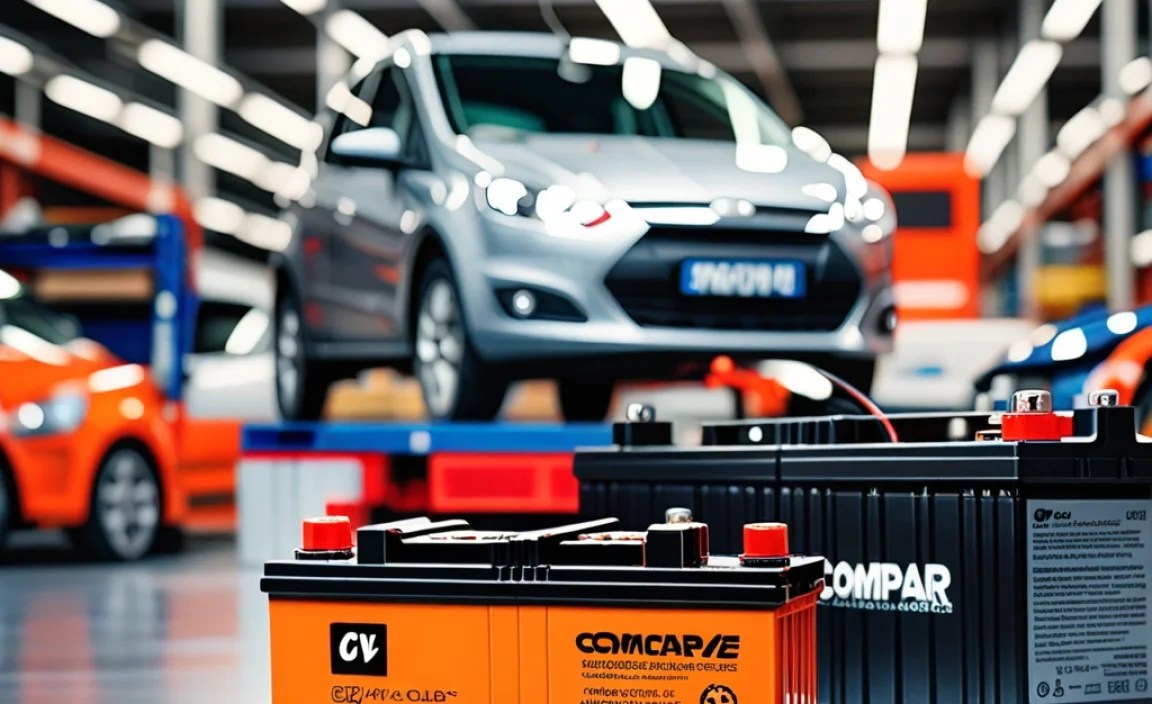
Let’s dive a bit deeper into comparing those battery types when looking for 24v truck batteries in Australia.
Standard Flooded Lead-Acid Batteries
These are the workhorses you’ll find in many older trucks. They are the most budget-friendly option upfront.
- Pros:
- Lower initial cost.
- Widely available.
- Simple technology.
- Cons:
- Require regular maintenance (checking and topping up electrolyte levels with distilled water).
- Can be sensitive to vibration.
- Must be kept upright to prevent leaks.
- Less suited to deep discharge cycles or heavy, continuous accessory use.
- Can be prone to sulphation if left discharged for too long.
Best for: Trucks that are used regularly, drivers who don’t mind performing basic maintenance, and those on a very tight budget.
Absorbent Glass Mat (AGM) Batteries
AGM batteries have become the standard for many modern vehicles, including trucks, due to their advanced technology and user-friendly nature.
- Pros:
- Maintenance-free (no topping up required).
- Spill-proof and vibration-resistant, ideal for rugged Australian conditions.
- Can handle deep discharge cycles better than flooded batteries.
- Faster recharging capability.
- Lower internal resistance, meaning better power delivery.
- More stable voltage output under load.
- Cons:
- Higher initial cost than flooded batteries.
- Can be sensitive to overcharging; requires a compatible charging system.
Best for: Most modern trucks, especially those with significant electrical loads, frequent accessory use, or those driven in demanding conditions. They offer a great balance of performance, durability, and convenience.
Gel Batteries
Gel batteries use a gelled electrolyte and offer excellent deep-cycle capabilities, but they have some specific considerations.
- Pros:
- Maintenance-free.
- Excellent deep-cycle performance, good for sustained power draw.
- Very good vibration resistance.
- Can often be mounted in various positions (though not always upside down).
- Cons:
- Generally more expensive than AGMs.
- Very sensitive to overcharging and high charging currents; requires a carefully regulated charger.
- Can be damaged by rapid charging.
- Performance can degrade in very cold temperatures.
Best for: Trucks with very specific deep-cycling needs where charging is carefully controlled, and vibration is a major factor. However, for general truck starting and auxiliary power, AGMs are usually preferred in Australia.
Comparing Specifications Table: 24v Truck Batteries (Two 12v Batteries)

Here’s a visual comparison to help you see the differences clearly. Remember, you’ll be choosing identical 12v batteries to make up your 24v system.
| Feature / Battery Type | Standard Flooded Lead-Acid | Absorbent Glass Mat (AGM) | Gel |
|---|---|---|---|
| Initial Cost | Lowest | Medium | Highest |
| Maintenance Required | High (check water levels) | None | None |
| Spill/Leak Proof | No (if not upright) | Yes | Yes |
| Vibration Resistance | Low | High | Very High |
| Deep Cycling Capability | Poor | Good | Excellent |
| Charging Speed | Standard | Faster | Slow (requires careful control) |
| Performance in Cold | Moderate | Good | Can be reduced |
| Typical Application for Trucks | Basic starting, older vehicles | Modern trucks, heavy loads, auxiliary power | Specialised deep-cycle, controlled charging |
How to Choose the Right 24v Battery for Your Truck
Now that we’ve covered the technical bits, let’s put it into practice for your Australian truck.
1. Consult Your Owner’s Manual
This is your first and most important step. Your truck’s manufacturer knows best. The manual will tell you the recommended battery specifications, including:
- Required voltage (24V).
- Recommended Amp Hours (Ah) for each 12V battery.
- Minimum recommended Cold Cranking Amps (CCA) for your region.
- Physical battery dimensions and terminal type.
- Any specific battery technology (e.g., some manufacturers may recommend AGM).
Missing this step can lead to buying a battery that’s too small, too large, or just not suitable for your truck’s electrical system, potentially causing damage or poor performance.
2. Assess Your Truck’s Usage and Electrical Load
Think about how you use your truck:
- Heavy-duty work: Do you power winches, extensive lighting, or auxiliary generators while off-road or at a worksite?
- Long-haul trucking: Do you run many comforts in the cab like refrigerators, entertainment systems, or extra heating/cooling while parked?
- Frequent short trips: If you only drive short distances, your alternator has less time to recharge the batteries, making a robust battery even more important.
- Climate: As mentioned, if you operate in cooler parts of Australia regularly, higher CCA is beneficial.
A higher Ah and CCArating is generally better if your truck has a higher electrical demand, but ensure you’re not over-specifying to the point where your charging system can’t keep up, especially with some advanced battery types.
3. Decide on Battery Technology
For most modern Australian trucks, AGM batteries are the top recommendation. They offer a fantastic balance of performance, durability, and low maintenance, which is invaluable for busy truck owners.
If cost is an absolute primary concern and your truck is older with minimal electrical accessories, standard flooded batteries might be considered, but be prepared for the maintenance and potentially shorter lifespan. Gel batteries are usually for niche applications unless specifically recommended by the manufacturer.
4. Check Physical Fitment
This is critical. Batteries come in different sizes (often referred to by BCI Group sizes). You need to ensure the new 12v batteries will physically fit into your truck’s battery tray or compartment and that the terminals are in the correct position to reach your truck’s battery cables. Measure your old batteries and compare these dimensions to the specifications of the new ones you are considering. Trying to force a battery to fit can damage it or your truck’s mounting.
5. Compare Warranties
A longer warranty period often means a more durable battery. Look for at least a 2-3 year warranty for truck batteries. Understand what the warranty covers (e.g., manufacturing defects, not accidental damage) and the process for making a claim in Australia.
6. Choose Reputable Brands
Sticking with well-known and trusted battery brands can save you trouble down the line. Brands that have a solid reputation in the Australian market for heavy vehicles are a safe bet. Some popular brands known for quality in this segment include:
- Century Yuasa
- Exide
- SuperCharge
- ACDelco
- Delkor
It’s always good to check local supplier recommendations and reviews as well.
Safety First! Replacing Your Truck Batteries
Replacing truck batteries can be dangerous if not done correctly. Batteries contain corrosive acid and can produce flammable hydrogen gas. Always follow safety procedures.
Tools You Might Need:
- Safety glasses
- Heavy-duty gloves (acid-resistant)
- Wrench set (appropriate for battery terminal nuts/bolts)
- Wire brush or battery