For Lipo Battery Fires, a Class D Fire Extinguisher is Your Best Defense. These special extinguishers are designed for combustible metals and are crucial for safely putting out Lipo battery fires, preventing them from spreading and causing further damage. Always have one ready when charging or storing Lipo batteries.
Handling Lipo batteries can feel a bit tricky, especially when you hear about the dangers they can pose. It’s true, these powerful little batteries can sometimes catch fire if they’re damaged, overcharged, or punctured. This can be a scary thought, right? You might be wondering what you can do to keep yourself and your gear safe. Don’t worry, it’s not as complicated as it sounds. We’re here to break down exactly what you need to know about fire extinguishers for Lipo batteries. We’ll guide you through the best options and why they’re so important. Stick with us, and you’ll feel much more confident about Lipo battery safety.
Why Lipo Batteries Can Be a Fire Risk

Lipo batteries, short for Lithium Polymer batteries, are incredibly popular. They’re lightweight, energy-dense, and recharge really well. You find them in everything from your phone and laptop to drones and RC cars. But all that power packed into a small space means they need to be handled with care.
What makes them risky? It’s all about the chemistry inside. Lipo batteries contain a lithium compound that can react violently if things go wrong. This reaction can lead to something called a thermal runaway. Imagine a snowball rolling down a hill, getting bigger and faster. That’s kind of what happens inside a Lipo battery during thermal runaway. Heat builds up, which causes more chemical reactions, which causes more heat, and so on. This cycle can quickly lead to fire or even an explosion.
Several things can trigger this:
Punctures or Physical Damage: If a Lipo battery gets dropped or crushed, the internal structure can be compromised, leading to short circuits and heat.
Overcharging: Pushing too much power into the battery beyond its limit can cause internal stress and overheating.
Over-discharging: Draining the battery completely and then trying to charge it can also be problematic.
Manufacturing Defects: Though rare, sometimes a battery might have a fault from the factory.
Improper Charging: Using the wrong charger or faulty charging equipment.
Because of these risks, having the right fire safety equipment is not just a good idea; it’s essential.
Understanding Fire Extinguisher Classes
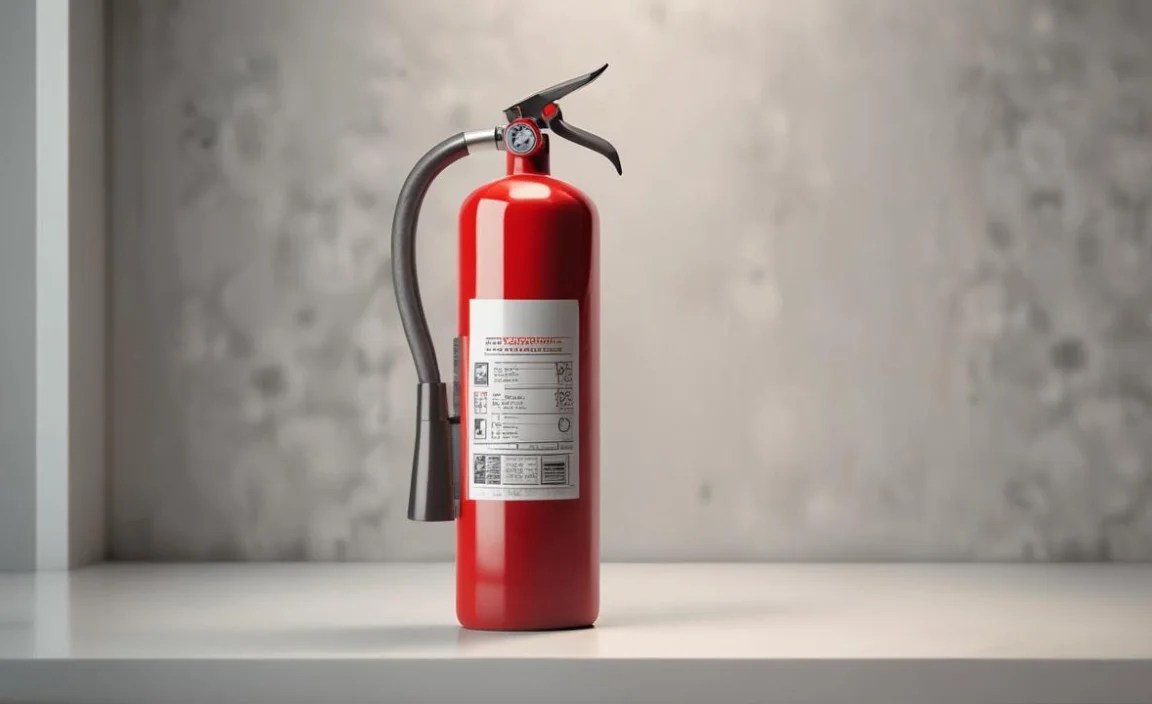
Not all fire extinguishers are created equal. Different types of fires need different kinds of extinguishers to be put out safely and effectively. Firefighting organizations, like the National Fire Protection Association (NFPA), categorize fires into classes. Knowing these classes helps you pick the right tool for the job.
Here’s a quick rundown of the main fire classes:
Class A: Fires involving ordinary combustibles like wood, paper, cloth, and rubber. Think of a trash can fire or a burning couch.
Class B: Fires involving flammable liquids such as gasoline, oil, grease, and paints. These create vapors that can easily ignite.
Class C: Fires involving energized electrical equipment. This means anything plugged in or running on electricity, like appliances or wiring. Water-based extinguishers are dangerous here because water conducts electricity.
Class D: Fires involving combustible metals. This is where Lipo batteries come in, as they contain materials like lithium, magnesium, and titanium. These fires are tough to put out because they burn at very high temperatures and can react dangerously with water or even standard dry chemical agents.
Class K: Fires involving cooking oils and fats in commercial kitchens.
Why Standard Extinguishers Don’t Work for Lipo Fires

You might have a classic ABC fire extinguisher in your home or car. It’s great for many common fires, but it’s NOT the right choice for a Lipo battery fire. Here’s why:
ABC Extinguishers: These use a dry chemical powder (usually monoammonium phosphate). While they can smother Class A, B, and C fires, they can actually intensify a Lipo battery fire. The chemicals in an ABC extinguisher can react with the burning lithium, making the fire hotter and more volatile. It also doesn’t cool the battery, which is key to stopping the thermal runaway.
Water-Based Extinguishers (Class A): Water is a definite no-go for Lipo fires. It won’t cool the battery effectively, and worse, it can react with the burning lithium, potentially creating flammable hydrogen gas and making the situation much more dangerous.
CO2 Extinguishers (Class B & C): Carbon dioxide can knock down the flames on a Lipo fire by displacing oxygen, but it doesn’t cool the battery. The heat inside the battery can cause it to re-ignite once the CO2 dissipates.
You need something specifically designed to handle metal fires and, crucially, to cool the battery down.
The Best Fire Extinguisher for Lipo Batteries: Class D

When it comes to Lipo battery safety, a Class D fire extinguisher is your gold standard. These are specifically formulated to tackle fires involving combustible metals like lithium.
How does a Class D extinguisher work? It doesn’t depend on cooling the fire with water or smoldering it with powders that might react. Instead, it uses a special powder or granular agent that forms a crust over the burning metal. This crust does a few things:
1. Smothers the Fire: It cuts off the oxygen supply to the burning metal.
2. Absorbs Heat: The agent helps to draw heat away from the material.
3. Prevents Reactivity: It’s designed not to react with the burning metal, avoiding dangerous chemical reactions.
Key Features of a Good Lipo Fire Extinguisher:
Class D Rating: This is non-negotiable. Ensure the extinguisher is clearly labeled for Class D fires.
Specialized Agent: Look for agents like Met-L-X, Lith-X, or copper-based powders. These are proven effective for lithium fires.
Appropriate Size: For hobby use, a smaller unit (like a 2.5 lb or 5 lb canister) is usually sufficient and easier to handle. For a workshop or multiple charging stations, you might consider a larger one.
Easy Operation: The extinguisher should be simple to operate quickly in an emergency.
Where to Buy:
You can find Class D fire extinguishers at:
Specialty hobby stores (especially those catering to RC cars, drones, or aviation)
Online retailers like Amazon, eBay, or dedicated safety equipment stores.
Welding supply shops.
When purchasing, always check the expiry date and ensure it’s been serviced if it’s a rechargeable model. Always follow the manufacturer’s instructions for use and maintenance.
Types of Class D Agents and Why They Matter
Not all Class D agents are identical, and some are better suited for Lipo batteries than others.
Sodium Chloride (NaCl) based: These are common and effective, forming a smothering blanket.
Copper Powder: Highly effective for lithium fires, especially pure lithium. Copper powder can actually melt and form a secure, non-reactive seal over the lithium. This is often considered the gold standard for pure lithium fires.
Graphite Powder/Vermiculite: Sometimes used, but might be less effective for the intense temperatures of Lipo fires compared to specialized agents.
For Lipo battery fires, agents specifically designed for alkali metals or lithium are your best bet. Avoid generic “Class D” extinguishers that might be formulated for metals like magnesium, which burn at even higher temperatures and in different ways.
Beyond the Extinguisher: Essential Lipo Safety Practices

While a Class D extinguisher is your emergency plan, preventing Lipo fires is always the best strategy. Think of safety as a layered approach.
1. Proper Charging Practices
Charging is where many Lipo incidents occur. Follow these rules:
Use the Right Charger: Always use a charger specifically designed for Lipo batteries. These chargers have built-in safety features to prevent overcharging and balance the cells. Never use a charger for a different battery chemistry (NiMH, NiCad, Lead-Acid) on your Lipo. For more on Lipo chargers, check out resources from organizations like the Model Aviation Association of Canada (MAAC) which emphasizes safe battery handling in hobby contexts.
Charge on a Fire-Resistant Surface: Never charge Lipo batteries on wood, carpet, or any flammable material. Use a concrete floor, a metal workbench, a fire-resistant mat, or a fireproof Lipo charging bag.
Never Charge Unattended: Always supervise your Lipo batteries while they are charging. If something goes wrong, you need to be there to react quickly.
Don’t Overcharge: The charger should stop automatically when the battery is full. Don’t try to push more power into it.
Check Battery Temperature: If a battery gets unusually hot during charging, disconnect it immediately and let it cool down in a safe place.
2. Safe Storage
How you store your Lipo batteries matters too:
Cool, Dry Place: Store batteries in a cool, dry environment away from direct sunlight or heat sources.
Ventilated Area: Avoid sealing them in airtight containers, especially if they are in a discharging state.
Lipo Safe Bags: Consider storing batteries in specialized Lipo safe bags. These bags are designed to contain a fire if one were to occur, venting flames safely away from surroundings.
Away from Flammables: Keep batteries away from combustible materials.
Short-Term Storage: For storage of a few days to a week, it’s generally okay to store them at their storage voltage (around 3.8V per cell).
Long-Term Storage: For storage longer than a week or two, it’s best to bring the batteries to their storage charge voltage. Many chargers have a “storage” function for this. This puts less stress on the battery.
3. Handling and Inspection
Treat your batteries with respect:
Inspect Regularly: Before and after each use, check your Lipo batteries for any signs of damage: puffing (swelling), dents, punctures, leaking, or torn wraps.
Never Use Damaged Batteries: If a battery looks damaged or puffy, do not use it, charge it, or try to repair it. It’s a serious fire hazard.
Proper Disposal: Dispose of old or damaged Lipo batteries responsibly. Many electronics recycling centers accept them, but it’s crucial to make sure they are discharged safely first. Some hobby shops offer disposal services. Never throw them in regular trash. Many hazardous waste facilities will accept them. You can often find local disposal information from your city or county waste management website.
4. “Cooling Down” a Damaged Battery
This is a more drastic but sometimes necessary step for a truly damaged or “huffy” battery that you can’t immediately dispose of.
1. Isolate: Move the suspect battery to a safe, isolated, fireproof location – ideally outdoors and away from anything flammable.
2. Submerge (Carefully): Some experts recommend submerging the battery completely in a container of salt water (about 1 tablespoon of salt per quart of water). The salt water helps to conduct electricity and can accelerate the discharge of the battery.
3. Leave it: Leave the battery submerged for at least 24-48 hours. This process aims to fully discharge the battery, making it safe for disposal.
4. Check: After the time has passed, you can remove the battery. It should be completely inert. If there are any signs of puffing or damage still, keep it submerged longer.
5. Dispose: Once fully discharged and inert, you can then dispose of it as hazardous waste.
This “saltwater bath” method is a last resort for unchargeable batteries and should only be done with extreme caution in a completely safe, isolated area.
When a Lipo Fire Happens: What to Do
Even with the best safety precautions, accidents can happen. Knowing what to do in the first few seconds can make all the difference.
1. Don’t Panic: Stay as calm as possible.
2. DO NOT TRY TO SMOTHER IT WITH WATER OR A REGULAR FIRE EXTINGUISHER: This is critical. As we’ve discussed, these can make the fire worse.
3. Get Distance: If possible and safe to do so, move the burning battery away from other valuable items and yourself.
4. Use Your Class D Extinguisher: Aim the Class D extinguisher at the base of the fire according to its instructions. Your goal is to expertly coat the burning material with the extinguishing agent to smother the flames and prevent re-ignition.
5. Ventilate: If you are indoors, as soon as it is safe, open windows to ventilate the area. The fumes from a Lipo fire can be toxic.
6. Call Emergency Services: Even if you manage to put out the fire yourself, it’s a good idea to call your local fire department (like 911 or your local equivalent). They can check for any lingering risks and ensure the area is safe. They also have specialized knowledge for handling Lipo fires.
7. Let it Cool: After the fire is out, the battery will still be extremely hot. Do not touch it for a long time. Let it cool down completely in a safe place.
What if You Don’t Have a Class D Extinguisher Immediately Available?
If you’re caught off guard and don’t have your Class D extinguisher within immediate reach, your options are more limited and riskier:
Sand or Dirt: In a pinch, a large quantity of dry sand or dirt can be used to bury the burning battery and smother it. This is messy and less controlled than a proper extinguisher but can be effective if there’s absolutely nothing else.
Remove Power: If the fire is directly related to charging, disconnect the charger immediately.
Evacuate and Call Fire Services: If the fire is uncontrollable or you don’t have suitable means to fight it, evacuate the area immediately and call the fire department. Your safety is the priority.
Remember, even after a seemingly extinguished fire, a Lipo battery can sometimes re-ignite hours later, especially if thermal runaway was not fully stopped. This makes continuous observation in a safe space essential after any incident.
Frequently Asked Questions (FAQ)
Here are some common questions beginners have about Lipo battery safety and fire extinguishers:
Q1: Can I use a fire extinguisher from my car on a Lipo battery fire?
A1: No, most car fire extinguishers are Class ABC dry chemical. These can react with burning lithium and make the fire worse. You need a special Class D extinguisher designed for combustible metal fires.
Q2: How long does a Class D fire extinguisher last?
A2: The lifespan of a Class D extinguisher depends on its type (disposable or rechargeable) and how it’s maintained. Disposable units have an expiry date, usually around 5-10 years. Rechargeable units need regular servicing. Always check the expiry date or service tag on your extinguisher.
Q3: What is the best place to keep my Lipo fire extinguisher?
A3: Keep it near your charging station or where you store your Lipo batteries. It should be easily accessible in case of an emergency, but out of the way of daily activities to prevent accidental discharge.
Q4: Are Lipo safe charging bags really effective?
A4: Yes, Lipo safe bags are a valuable safety tool. They are made of fire-resistant materials designed to contain a fire and vent flames upwards, away from your surroundings. They should be used in conjunction with proper charging practices and a fire extinguisher.
Q5: I saw a Lipo battery puffing up. What should I do?
A5: A puffed Lipo battery is a sign of internal damage or overcharging and is a serious fire hazard. Do not charge it or use it. Immediately place it in a fireproof container in a safe, isolated location (like a metal bucket outdoors) and plan for its safe disposal. You can research safe discharge methods or local hazardous waste disposal options.
Q6: Can a Class D extinguisher be used on other types of fires?
A6: Generally, no. Class D extinguishers are highly specialized for metal fires. While some might have a secondary rating, it’s best to use the correct extinguisher for the specific fire class to ensure effectiveness and safety.
Q7: How much does a Class D fire extinguisher cost?
A7: The cost can vary significantly. Small, disposable Class D extinguishers can range from $30 to $80, while larger rechargeable models can cost $150 or more. The investment is well worth the safety it provides for your valuable equipment and home.
Lipo Battery Fire Extinguisher Comparison Table
To help you choose, here’s a quick look at different extinguisher types and their suitability for Lipo fires.
| Extinguisher Type | Suitable for Lipo Battery Fires? | How it Works | Notes |
| :—————- | :——————————- | :—————————————————————————– | :—————————————————————————————————————————————————————– |
| **Class D