Quick Summary
A battery pack for your electric bike is the heart of its power, giving you the miles you need for commuting and adventure. Choosing the right one involves understanding battery types, capacity, and ensuring it fits your bike. This guide breaks it down simply so you can find the perfect power solution.
Electric bikes, or e-bikes, have transformed how we travel, offering an eco-friendly and fun way to get around. But the real magic behind an e-bike is its battery pack. It’s what gives you that extra boost, lets you climb hills without breaking a sweat, and extends your riding range. Without a good battery pack, your e-bike is just a regular bike. So, understanding how these power sources work and how to pick the right one is super important. Many e-bike owners find themselves wondering about capacity, types, and compatibility. This guide is here to make all that clear and simple, turning potential confusion into confidence. Let’s dive into finding the essential power solution for your electric bike.
Unlock Your E-Bike’s Potential: A Beginner’s Guide to Battery Packs

Your electric bike battery pack is more than just a component; it’s the energy engine that powers your adventures. Think of it as the fuel tank for your e-bike. The better it performs, the further and more enjoyably you can ride. For anyone new to e-bikes, the world of battery packs can seem a bit technical. You’ll hear terms like voltage, amp-hours, and watt-hours, and it’s easy to feel overwhelmed. But don’t worry! My goal as Roy Walker is to break down these concepts into plain English, just like I would when explaining a car battery or a phone charger. We’ll cover what makes a battery pack tick, how to choose the best one for your needs, and important tips for keeping it in top shape. By the end of this guide, you’ll have a clear understanding and feel ready to make informed decisions about your e-bike’s power source.
Understanding the Core Components of an E-Bike Battery Pack

At its heart, an e-bike battery pack is a collection of individual battery cells, usually Lithium-ion, wired together. These cells store the electrical energy that powers your bike’s motor. But it’s not just about the cells; there’s more to it. A good battery pack includes several key systems working together to keep it safe and efficient.
1. The Battery Cells: The Powerhouse

Most modern e-bike battery packs use Lithium-ion (Li-ion) cells. These are popular because they offer a great balance of energy density (meaning they can store a lot of power in a small space), lightweight design, and a long lifespan. You might sometimes see older e-bikes using Nickel-Metal Hydride (NiMH) or Lead-Acid batteries, but Li-ion is the standard for good reason. Think of these cells like the individual fruits in a fruit salad – each one holds a bit of power, and together, they make up the whole energy package.
2. Battery Management System (BMS): The Smart Guardian
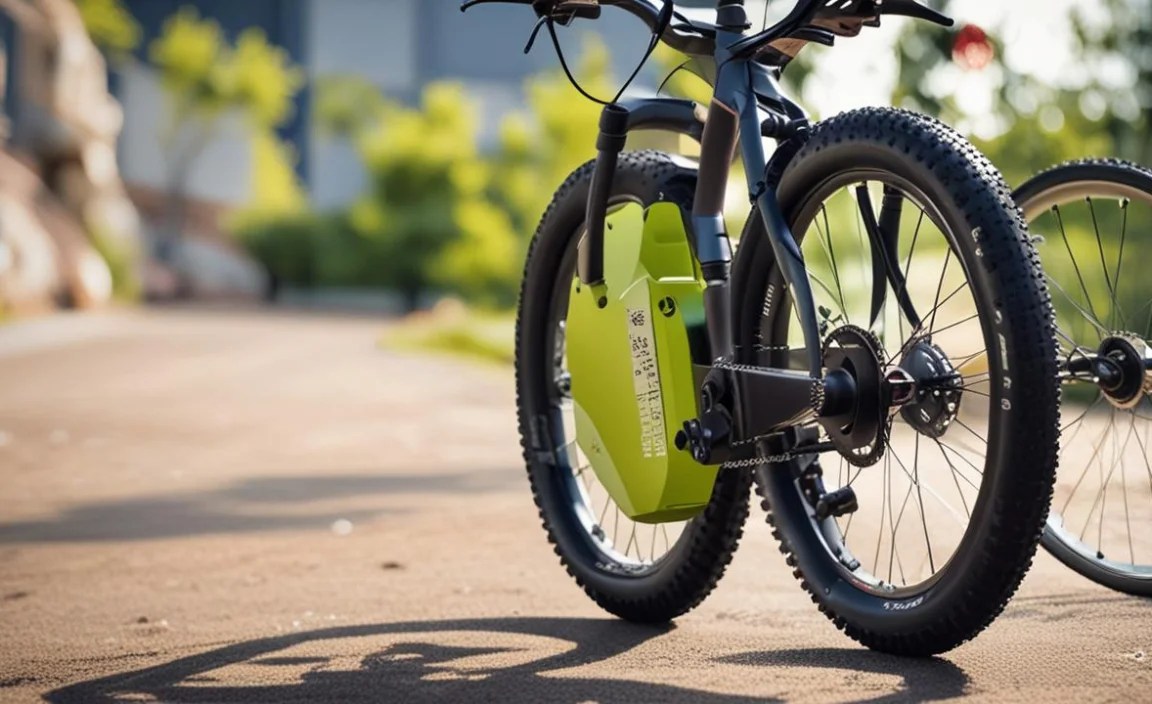
This is perhaps the most crucial part of the battery pack, though you won’t see it directly. The BMS is a small electronic circuit that acts like a vigilant guardian for your battery. Its main jobs are to:
- Prevent Overcharging: Stops the battery from taking in too much power, which can damage it and be a fire hazard.
- Prevent Over-Discharging: Stops the battery from running completely flat, which can also harm its long-term health.
- Balance Cell Voltage: Ensures all the individual battery cells have a similar charge level. This is vital for maximizing capacity and extending the battery’s life.
- Protect Against Overcurrent and Short Circuits: Shuts down the battery if it detects dangerous electrical conditions.
- Monitor Temperature: Helps prevent overheating, a common issue with batteries.
The BMS is essential for safety and performance, much like the protective circuits in your phone’s battery or a reliable car battery’s safeguards.
3. The Casing: Protection and Structure
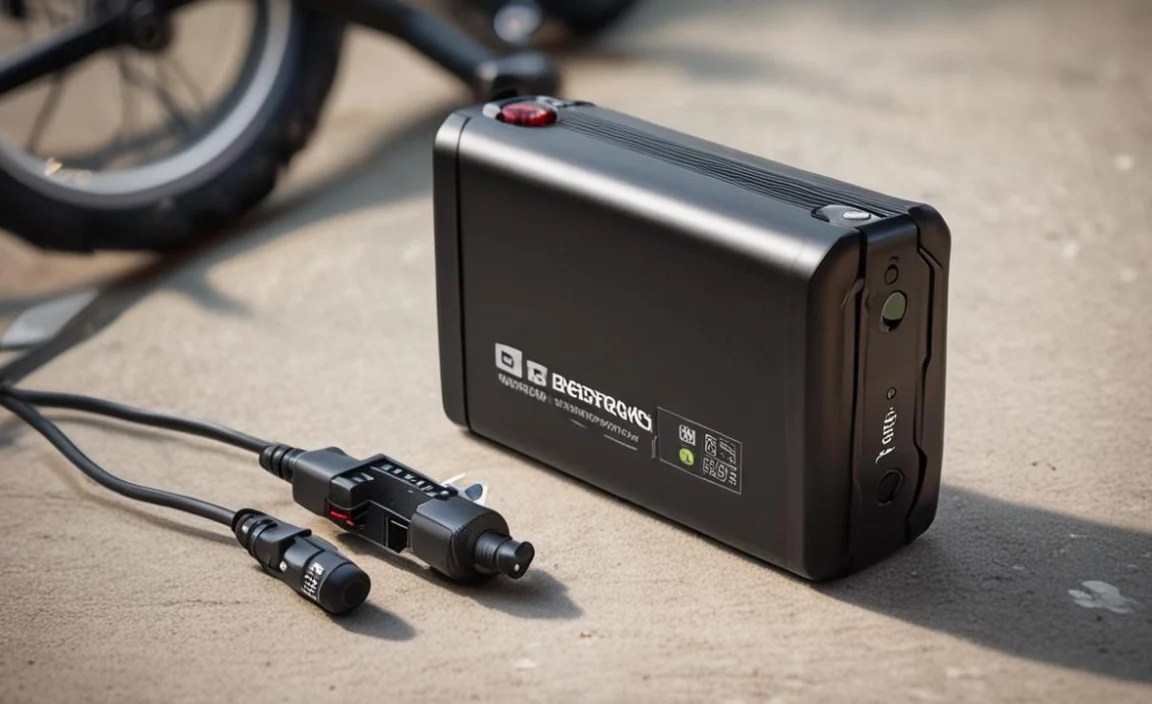
The battery cells and BMS are housed in a durable outer shell, often made of plastic or aluminum. This casing protects the delicate electronics from physical damage, water, dust, and vibrations from riding. It also gives the pack its shape and provides mounting points for attaching it to your e-bike frame.
4. Connectors and Wiring: The Electrical Highway

These are the components that allow the battery pack to connect to your e-bike’s motor, controller, and charger. They need to be robust and securely fitted to handle the electrical current without overheating or causing connection issues.
Choosing Your E-Bike Battery Pack: Key Specifications Explained
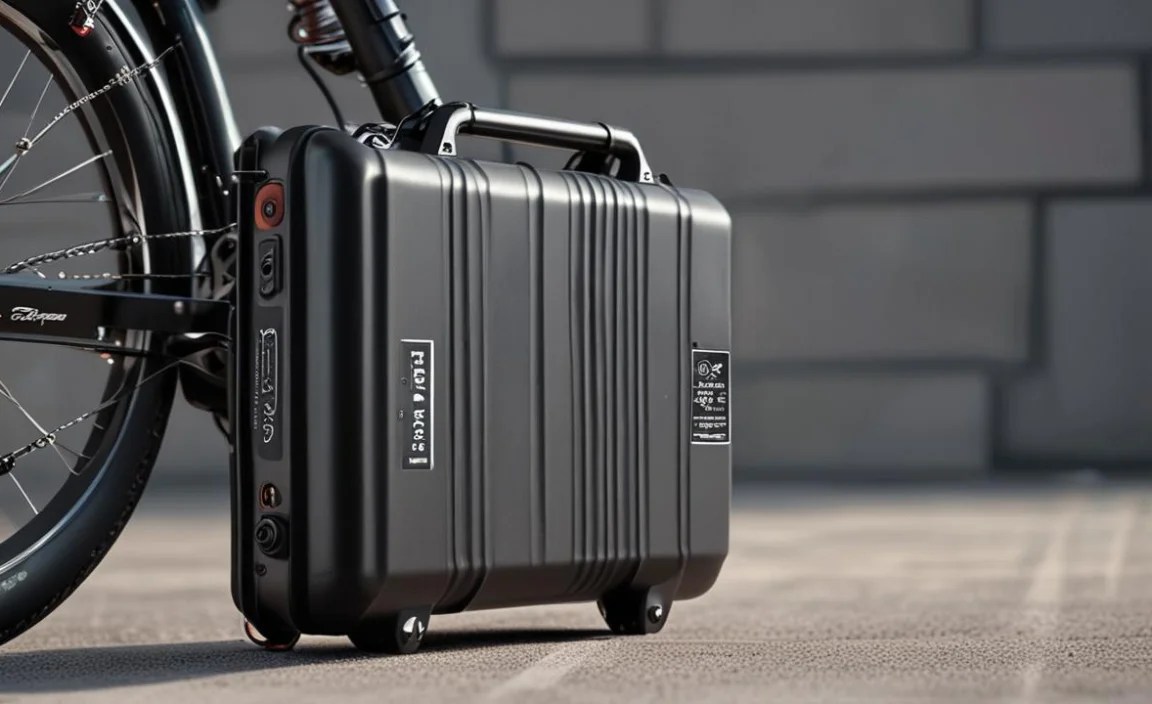
When shopping for a replacement or upgrade, you’ll encounter a few key numbers that tell you about the battery’s performance. Understanding these will help you pick the right one. I’ll explain them simply, like explaining the difference between a small power bank and a heavy-duty car battery.
Voltage (V): The Electrical Pressure
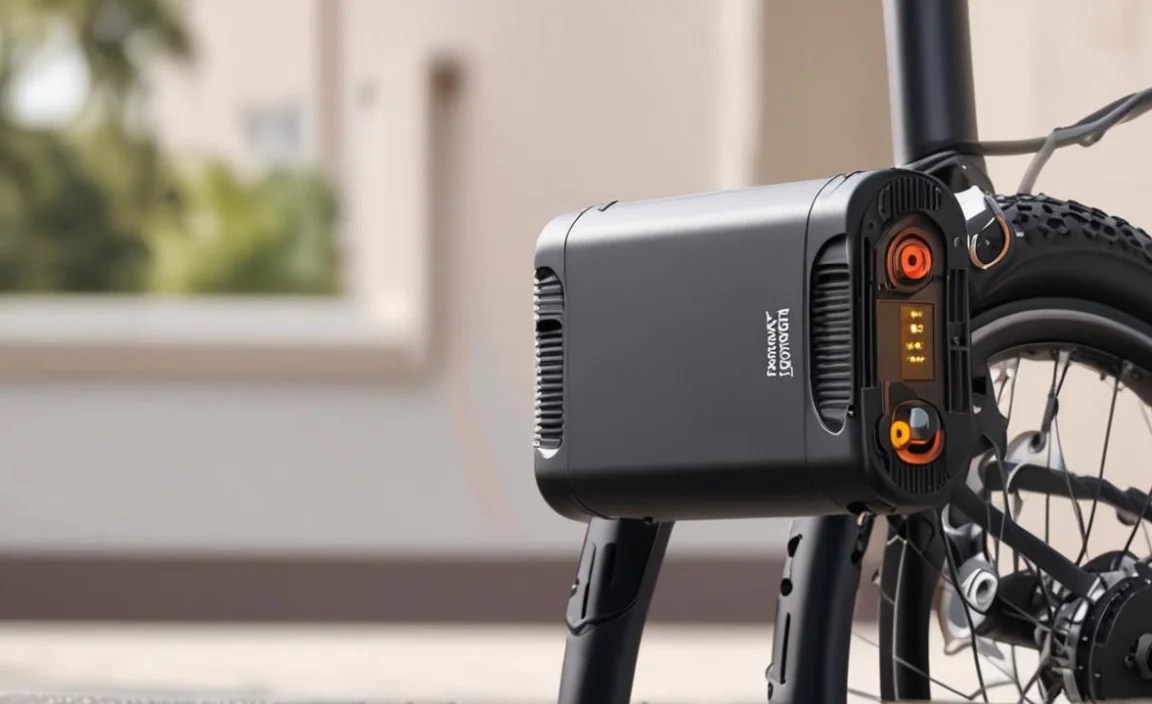
Voltage is like the “push” behind the electricity. A higher voltage means more power can be delivered to the motor, often resulting in faster acceleration and better performance on hills. Common voltages for e-bikes are 36V, 48V, and sometimes 52V or higher. It’s crucial to match the battery’s voltage to what your e-bike’s motor and controller are designed for. Using a battery with too high a voltage can damage your bike’s electronics, much like using the wrong adapter can fry your phone.
Capacity (Ah & Wh): How Much Juice It Holds

This is where you determine “how far” your e-bike can go on a single charge. There are two main ways capacity is measured:
- Amp-hours (Ah): This tells you how much current the battery can deliver over time. A 10Ah battery can theoretically supply 10 amps for one hour, or 5 amps for two hours, and so on.
- Watt-hours (Wh): This is often the most useful number as it combines both voltage and amp-hours to give you the total energy stored. It’s calculated as: Watt-hours (Wh) = Voltage (V) x Amp-hours (Ah).
For example, a 36V 10Ah battery stores 360Wh of energy. A 48V 10Ah battery stores 480Wh. This means the 48V battery has more energy, which generally translates to a longer riding range under similar conditions. When looking at battery packs, a higher Wh number means a longer potential range.
Battery Chemistry: The Material Matters
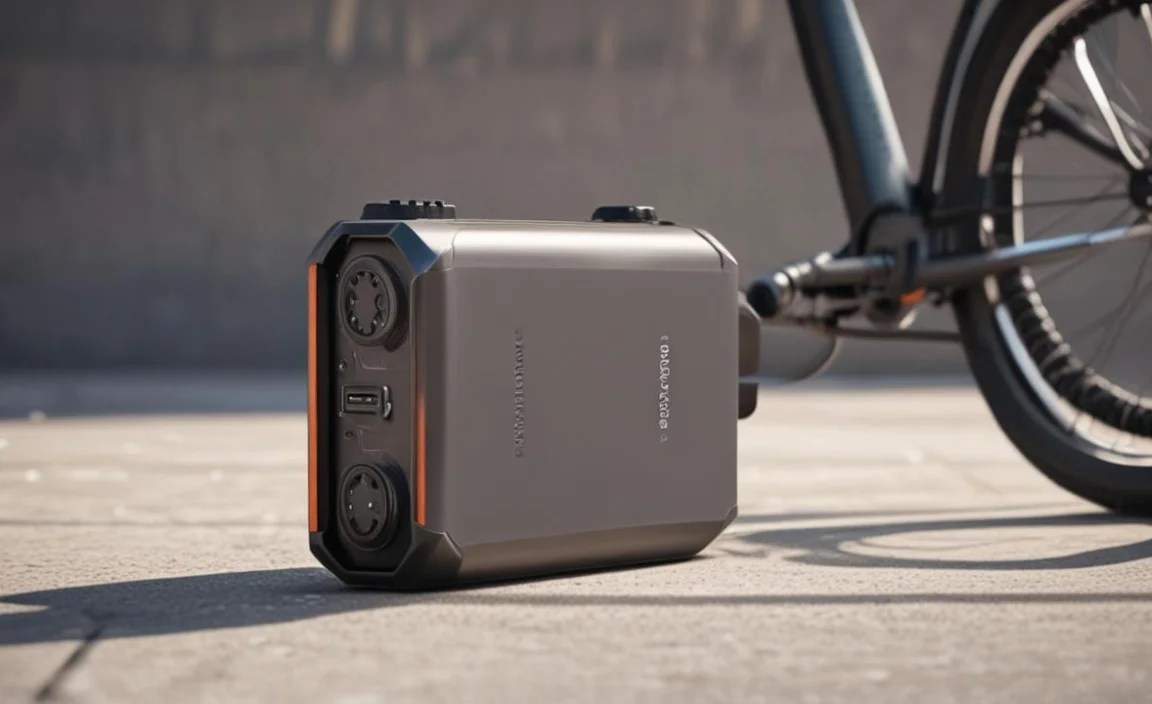
As mentioned, Lithium-ion (Li-ion) is the dominant chemistry. Within Li-ion, there are different cell types, such as:
- Lithium Nickel Manganese Cobalt Oxide (NMC): Very common, offering a good balance of energy density, power, and safety.
- Lithium Cobalt Oxide (LCO): High energy density, often used in consumer electronics like phones, but can be less stable and have shorter lifespans for e-bike use.
- Lithium Iron Phosphate (LiFePO4 or LFP): Known for exceptional safety, very long cycle life, and good thermal stability, but typically has lower energy density (meaning it might be heavier or larger for the same capacity compared to NMC).
For most e-bike riders, NMC batteries offer the best all-around performance. LiFePO4 is an excellent choice if longevity and enhanced safety are top priorities, even if it means a slightly bulkier pack.
Discharge Rate (C-Rating): How Fast It Can Deliver Power

The discharge rate, often shown as a “C-rating,” indicates how quickly a battery can safely release its energy. A higher C-rating means it can deliver power more rapidly. For an e-bike, especially if you enjoy aggressive riding or need quick acceleration, a higher discharge rate is beneficial. It’s usually specified by the battery manufacturer. If it’s not clear, look for batteries designed for high-power applications; e-bike specific packs usually have sufficient C-ratings.
Cycle Life: How Long It Lasts
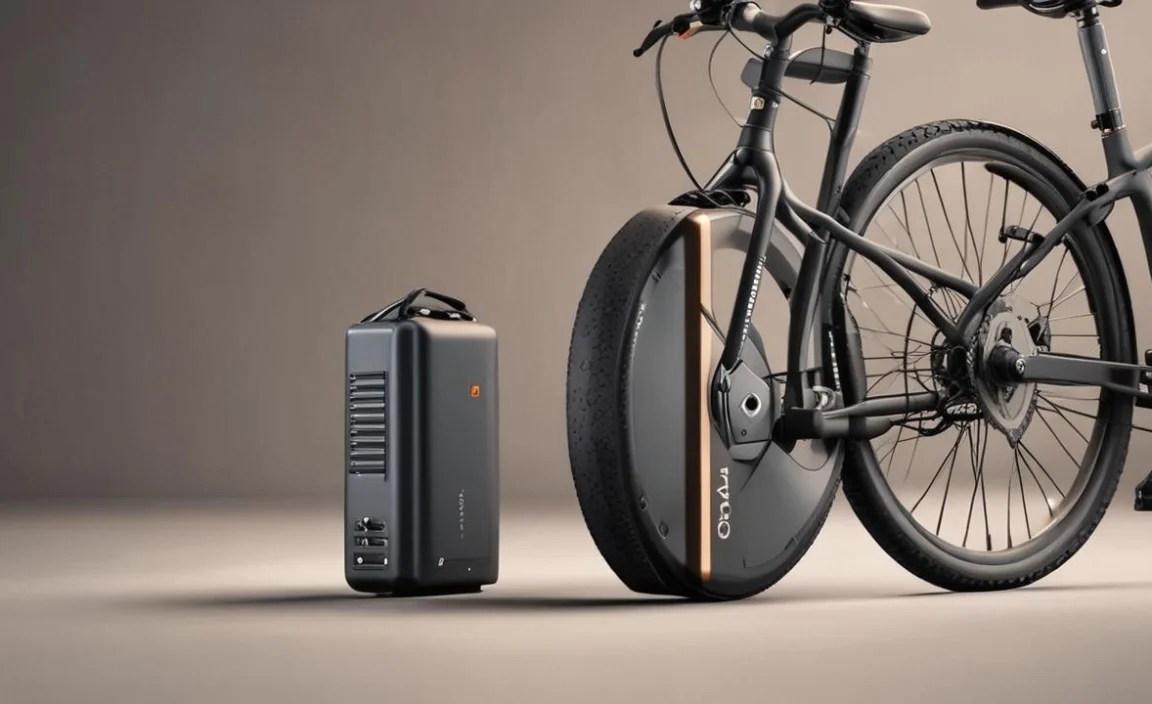
Battery cycle life refers to the number of full charge and discharge cycles a battery can endure before its capacity significantly degrades (usually to around 80% of its original capacity). High-quality Li-ion e-bike batteries typically offer 500 to 1000+ cycles. This translates to several years of use depending on how often you ride and how you charge it. This is similar to how phone batteries degrade over time, but e-bike batteries are built for more robust cycles.
Types of E-Bike Battery Packs: Finding the Right Fit

Beyond the internal specs, battery packs differ in how they are designed and mounted onto the e-bike. The type you choose often depends on your bike’s frame design and your personal preference.
1. Downtube Batteries

These are the most common type. The battery pack is shaped like a water bottle or a sleek tube and mounts onto the downtube of the bike frame, often in the space where you’d typically find a bottle cage.
- Pros: Excellent weight distribution, keeps the center of gravity low, easy to remove for charging, often looks integrated with the bike frame.
- Cons: May require specific frame mounts; some riders might prefer not to have a prominent battery on the most visible part of the frame.
2. Rear Rack Batteries
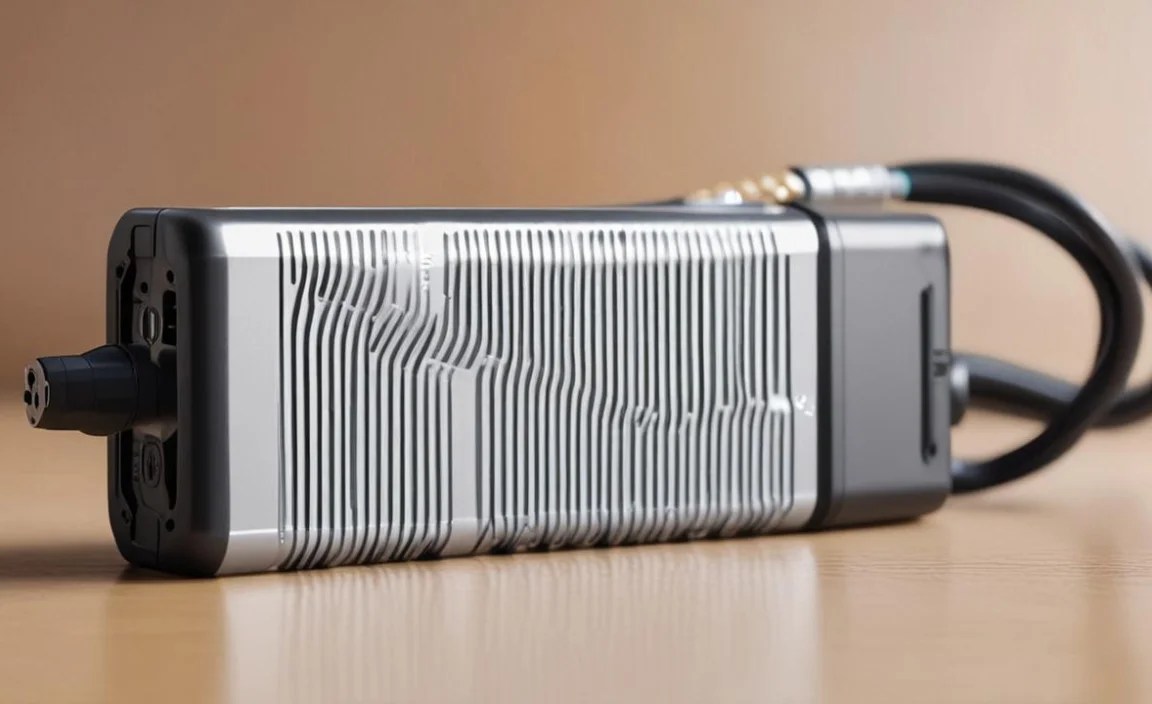
These batteries are designed to fit under or integrate with a rear cargo rack.
- Pros: Frees up space on the downtube, good for bikes that already have a robust rear rack system, can offer larger capacities.
- Cons: Can unbalance the bike’s weight distribution, making it feel heavier at the rear, may be more exposed to bumps and weather.
3. Seat Tube / Seatpost Batteries

These are less common and are integrated into the seat tube or even the seatpost itself.
- Pros: Can offer a very clean, integrated look.
- Cons: Limited space usually means smaller capacities, can be difficult to remove for charging.
4. Internal (Integrated) Batteries
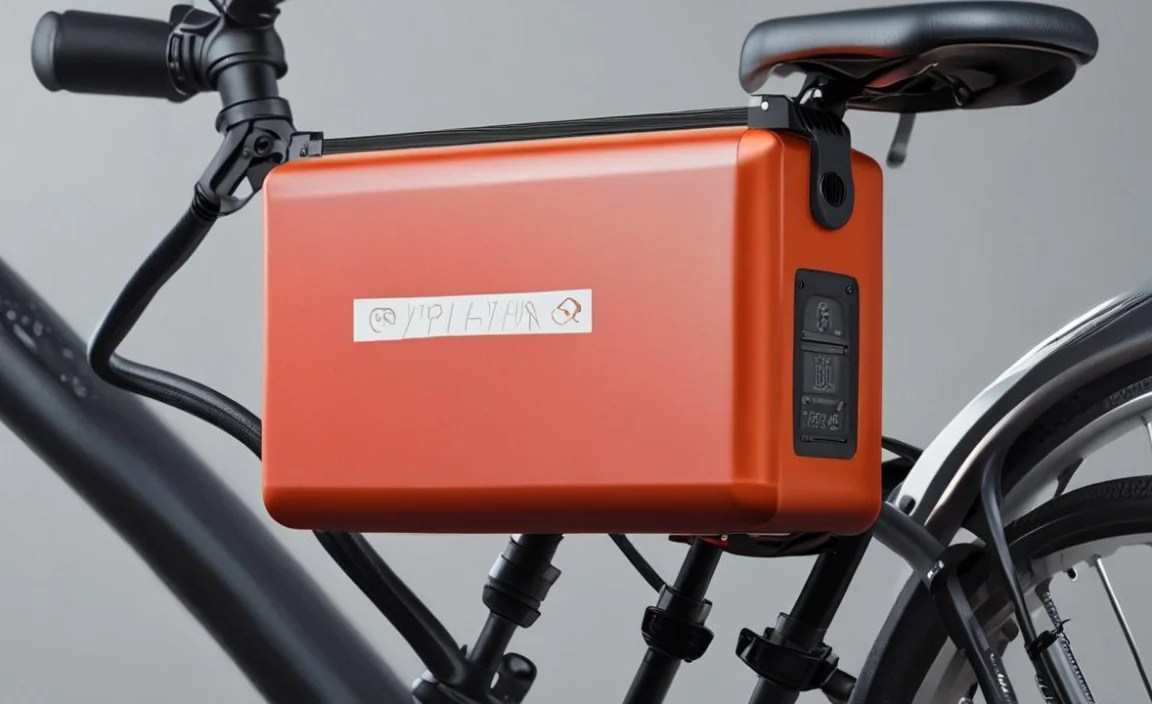
Many modern e-bikes feature batteries that are built directly into the frame, often concealed within the downtube.
- Pros: Aesthetically very pleasing, offers a clean, sleek look, improved protection from elements and theft.
- Cons: Often difficult or impossible for the end-user to remove, which can make charging inconvenient or require specialized service if there’s an issue.
Replacing or Upgrading Your E-Bike Battery Pack: A Practical Guide
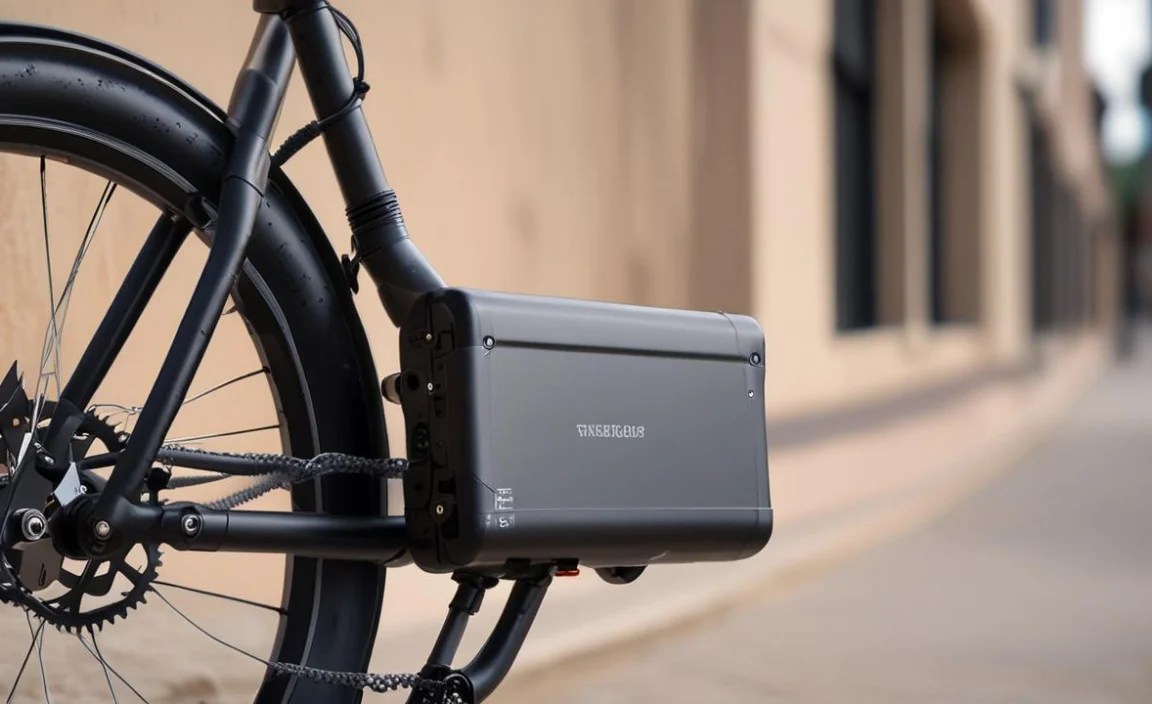
When your current battery pack starts to show its age (reduced range, longer charging times, or not holding a charge at all), it’s time for a replacement. You might also be looking to upgrade for more range or power.
Step 1: Identify Your Current Battery
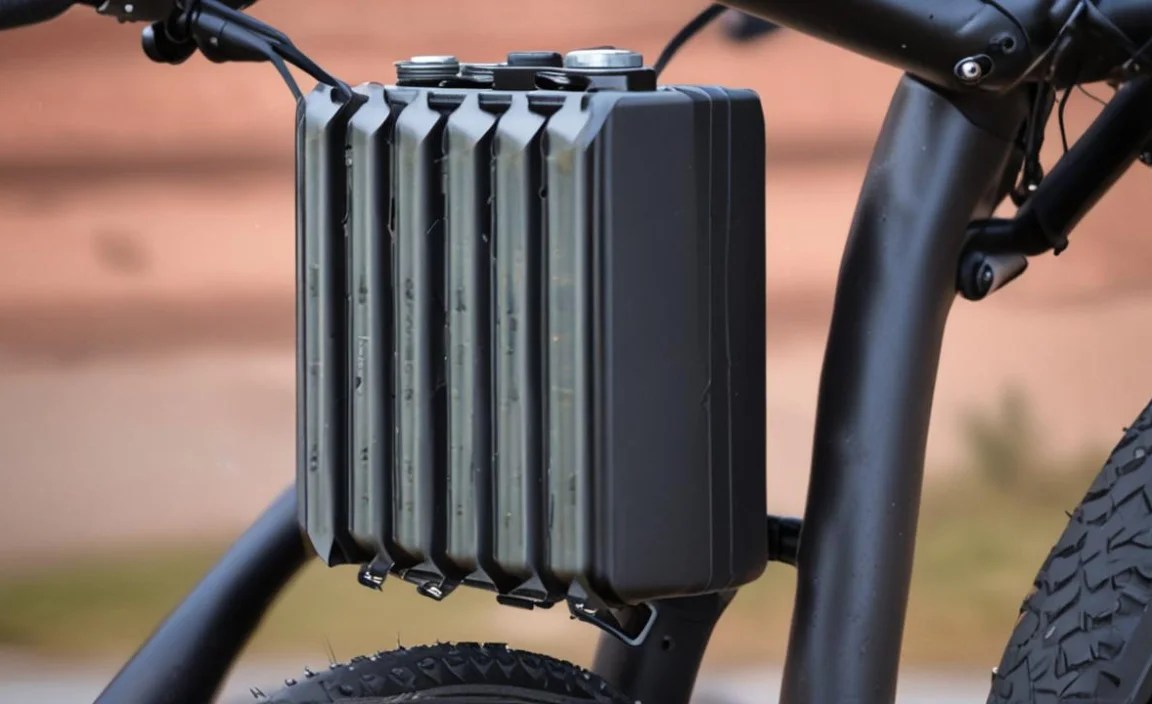
Before buying anything, you need to know what you have. Look for labels on your existing battery pack. Key things to note are:
- Voltage (V)
- Capacity (Ah)
- Connector Type (This is crucial! There are many different shapes and sizes.)
- Physical Dimensions (Will it fit the same space on your bike?)
- Brand and Model Number (If available)
Taking a photo of your battery, its labels, and its connector can be extremely helpful when looking for replacements.
Step 2: Check Your E-Bike’s Compatibility
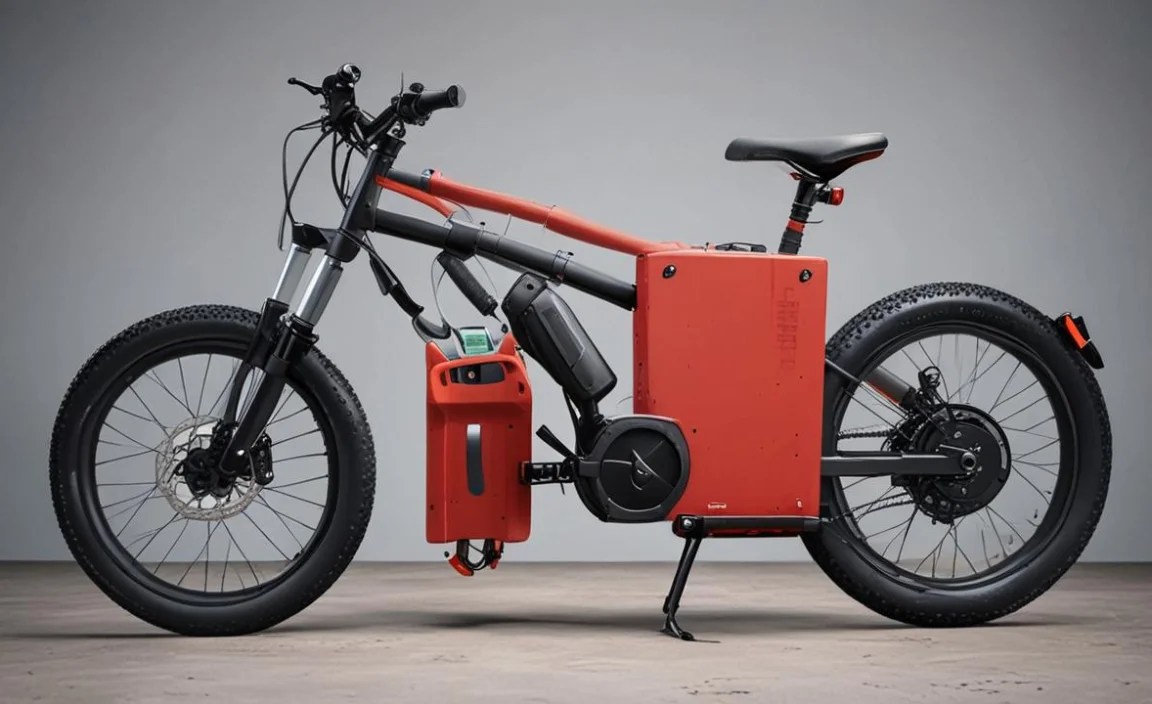
This is non-negotiable. Your new battery pack must be compatible with your e-bike’s motor and controller. This primarily means matching the voltage. Using a battery with a voltage significantly higher than what your controller is rated for can permanently damage it. If you’re unsure, consult your e-bike manufacturer’s documentation or a reputable bike shop.
Tip: Many battery manufacturers offer direct replacements for popular e-bike models. If you know the make and model of your e-bike, search for batteries specifically designed for it. Resources like Bosch eBike Systems (a major e-bike component supplier) can provide detailed information on their battery specifications.
Step 3: Determine Your Power Needs
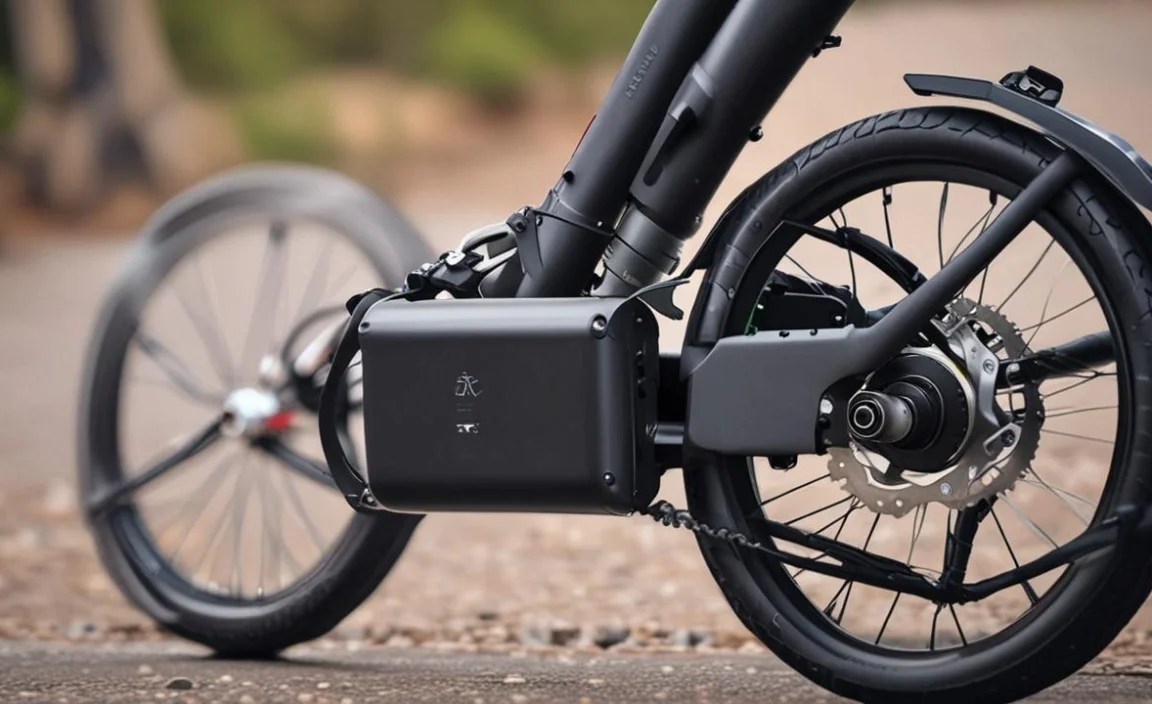
Do you want more range, or is your current range sufficient? If you want more, look for a battery with a higher Watt-hour (Wh) rating. Remember, Wh = V x Ah.
- Example: If your current battery is 36V 10Ah (360Wh) and you want more range, look for something like a 36V 15Ah (540Wh) or a 48V 10Ah (480Wh) if your bike can handle 48V.
Step 4: Consider the Connector Type
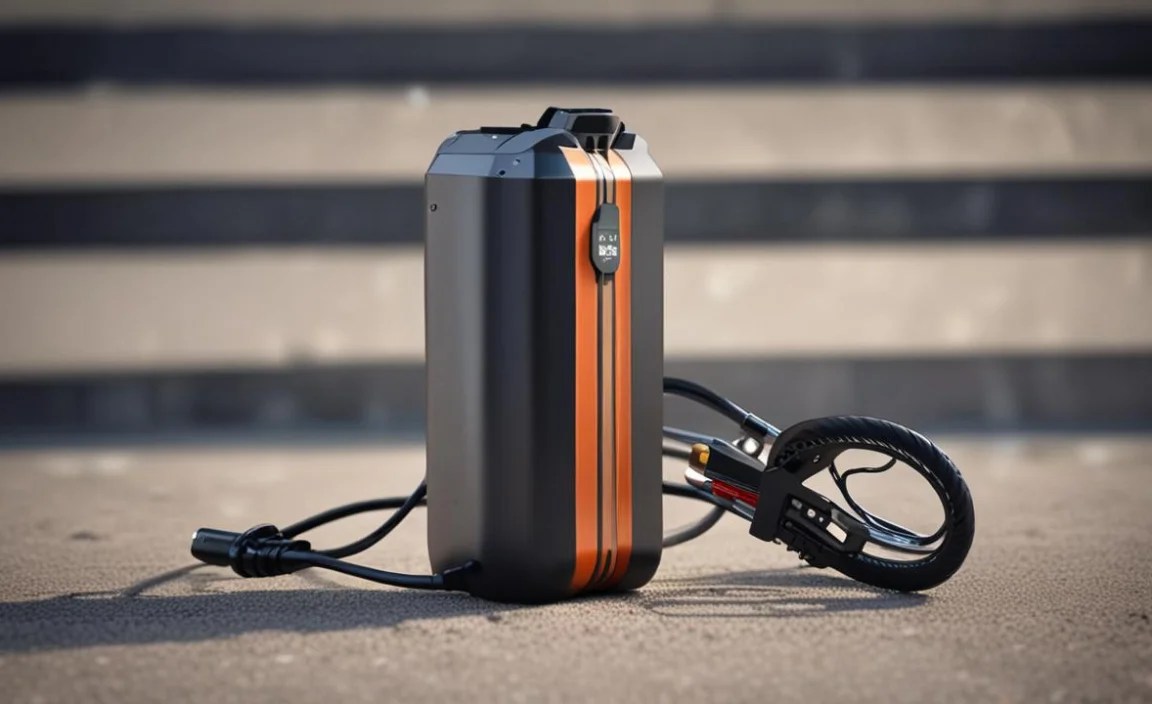
This is where many DIY replacements fail. E-bike batteries have various connectors. Some are standard (like XT60 for some power connections), but many are proprietary to the bike or battery manufacturer. If you can’t find a battery with the exact same connector and wiring harness, you might need to consult an electronics specialist or a bike shop to adapt the wiring, which can be complex and void warranties.
Step 5: Purchase from a Reputable Source
Battery technology is sophisticated. Buying from established brands or reputable online retailers specializing in e-bike parts is recommended. This ensures you get a quality product with a proper battery management system (BMS) and safety certifications. Avoid suspiciously cheap batteries from unknown sellers, as they might compromise on safety or performance.
Step 6: Installing Your New Battery Pack
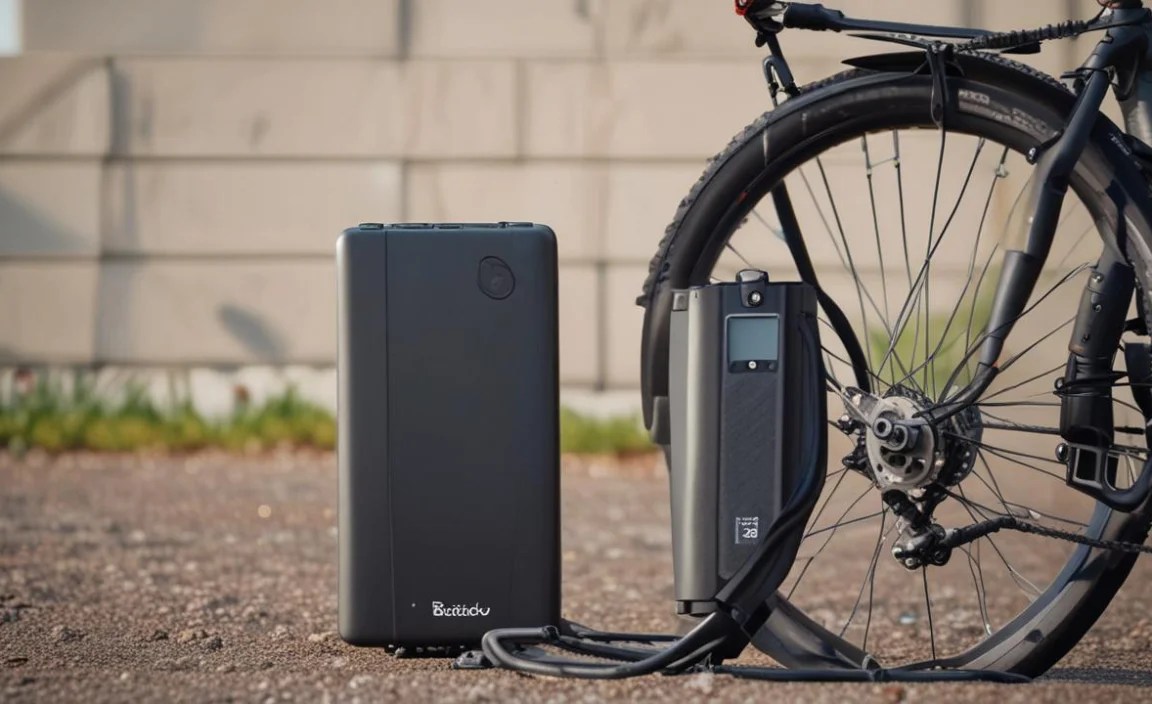
This is usually straightforward if you’ve sourced a compatible battery.
- Safety First: Ensure the e-bike is powered off and the battery is disconnected.
- Remove Old Battery: Most batteries have a key lock that releases them from their mount. Turn the key, unlock the battery, and carefully slide it out from its housing.
- Inspect Mounts: Check the battery mount on your bike for any damage or debris.
- Install New Battery: Slide the new battery pack into its housing until it clicks or locks securely into place.
- Test: Lock the battery if it has a locking mechanism. Turn on your e-bike and check if the battery is recognized and showing charge.
If you’re uncomfortable with any step, especially concerning electrical connections, it’s always best to have a professional bike mechanic handle the installation.
Battery Pack Maintenance: Ensuring Longevity and Performance
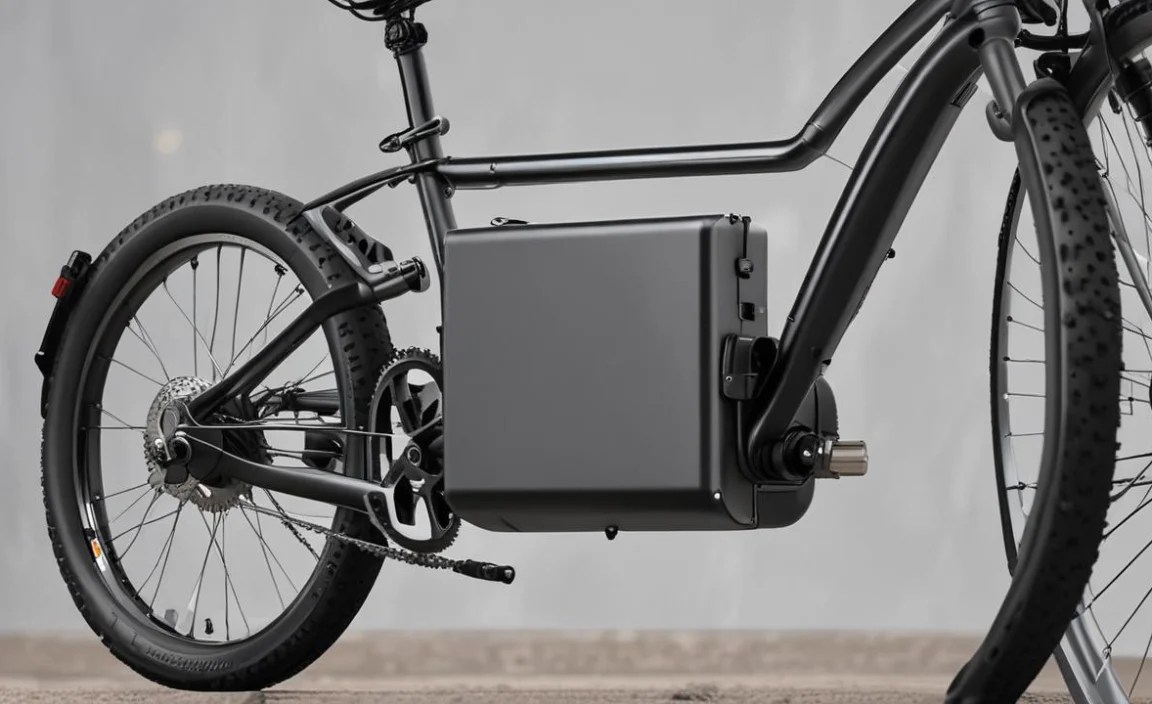
Like any rechargeable battery, your e-bike battery pack needs a little care to perform its best and last as long as possible. Good maintenance is key, similar to how proper care extends the life of your car battery or keeps your phone battery healthy.
1. Avoid Extreme Temperatures
Don’t leave your battery in a hot car or out in freezing conditions for extended periods. High heat can degrade the battery cells faster, while extreme cold can temporarily reduce its capacity and charging performance. If you store your bike for winter, do so in a temperate environment.
2. Proper Charging Habits
- Use the Right Charger: Always use the charger that came with your battery pack or a certified compatible charger. Using the wrong charger can damage the battery or pose a safety risk.
- Don’t Overcharge or Deep Discharge: While modern BMS systems prevent overcharging, it’s still good practice to disconnect the charger once it’s full. Similarly, try not to let the battery drain completely regularly.
- Charge Before Storage: If you’re storing your e-bike for a long period (more than a month), charge the battery to about 50-70% before storing it.
3. Keep it Clean and Dry
Wipe down the battery pack and its contacts occasionally with a dry or slightly damp cloth. Ensure the charging port is free of dust and debris. Avoid submerging the battery pack in water.
4. Storage Guidelines
If you need to store the battery for an extended period, aim for a cool, dry place. As mentioned, storing it with a partial charge (50-70%) is best for long-term health.
5. Monitor Performance
Pay attention to how your battery performs. If you notice a sudden drop in range or that it’s taking much longer to charge, it might be a sign that the battery is nearing the end of its life or there might be an issue with the BMS or charger.
Troubleshooting Common E-Bike Battery Issues
Sometimes, things don’t work as expected. Most issues are fixable with a little know-how.
- E-bike not powering on:
- Is the display on?
- Is the battery properly seated and locked?
- Are the battery contacts clean?
- Check if the battery is charged.
- Is the power button on the battery